
Turn article assumptions into a first actuator family, model class, and evidence request.
- Candidate actuator family
- Torque-speed or force-stroke window
- Datasheet, CAD, wiring, and test-record boundary
Sourcing playbooks, RFQ criteria, supplier qualification notes, and procurement risk checks for humanoid robot actuator buyers.
Use this category to review practical procurement and engineering patterns. Each article is written to reduce ambiguity in RFQ, validation, and production release decisions.
Instead of generic theory, these posts focus on what buyers can send, measure, and approve in supplier communication.
In practical sourcing programs, this category is most useful when its article checklists are copied into internal review templates and then reused in supplier calls, sample sign-off notes, and PO release approvals.
Buyer path
Each article should resolve into one practical next step: shortlist a catalog family, validate the application risk, or prepare the OEM sample path.
Turn article assumptions into a first actuator family, model class, and evidence request.
Convert the guide into application-risk notes before asking for samples or controlled files.
Carry accepted article checklists into sample release, pilot supply, and OEM documentation control.
These articles are sorted by publish date and are intended to be used as reusable inputs for your engineering and procurement handoffs.
| Article | Primary Use | Next Step |
|---|---|---|
| Crossed Roller Bearings vs. Four-Point Contact Thin-Section Bearings in Humanoid Robot Actuators: Sourcing Moment Rigidity, Preload Classes, and Runout Tolerances | Buyer-side decision and supplier communication alignment. | Convert checklist items into your RFQ or sample plan. |
| Power-Off Holding Brakes in Humanoid Actuators: Permanent-Magnet vs. Spring-Applied Sourcing, PWM Economizers, and Thermal Limits | Buyer-side decision and supplier communication alignment. | Convert checklist items into your RFQ or sample plan. |
| Dual Absolute Encoders vs. Single-Encoder Joint Modules for Humanoids: Sourcing, Deflection Sensing, and Functional Safety | Buyer-side decision and supplier communication alignment. | Convert checklist items into your RFQ or sample plan. |
| Quasi-Direct Drive (QDD) vs. High-Ratio Geared Actuators for Humanoids: Sourcing & Sizing Guide | Buyer-side decision and supplier communication alignment. | Convert checklist items into your RFQ or sample plan. |
| Strain Wave vs. Cycloidal Reducers for Humanoid Rotary Actuators: A 2026 Sourcing & Engineering Guide | Buyer-side decision and supplier communication alignment. | Convert checklist items into your RFQ or sample plan. |
| Planetary Roller Screws vs. Ball Screws for Humanoid Linear Actuators: A 2026 Sourcing & Engineering Guide | Buyer-side decision and supplier communication alignment. | Convert checklist items into your RFQ or sample plan. |
| Axial-Flux vs. Radial-Flux Motors for Humanoid Actuators: A 2026 Sourcing Guide | Buyer-side decision and supplier communication alignment. | Convert checklist items into your RFQ or sample plan. |
Need project-specific guidance? Start from Contact / RFQ and include the article links your team is referencing.
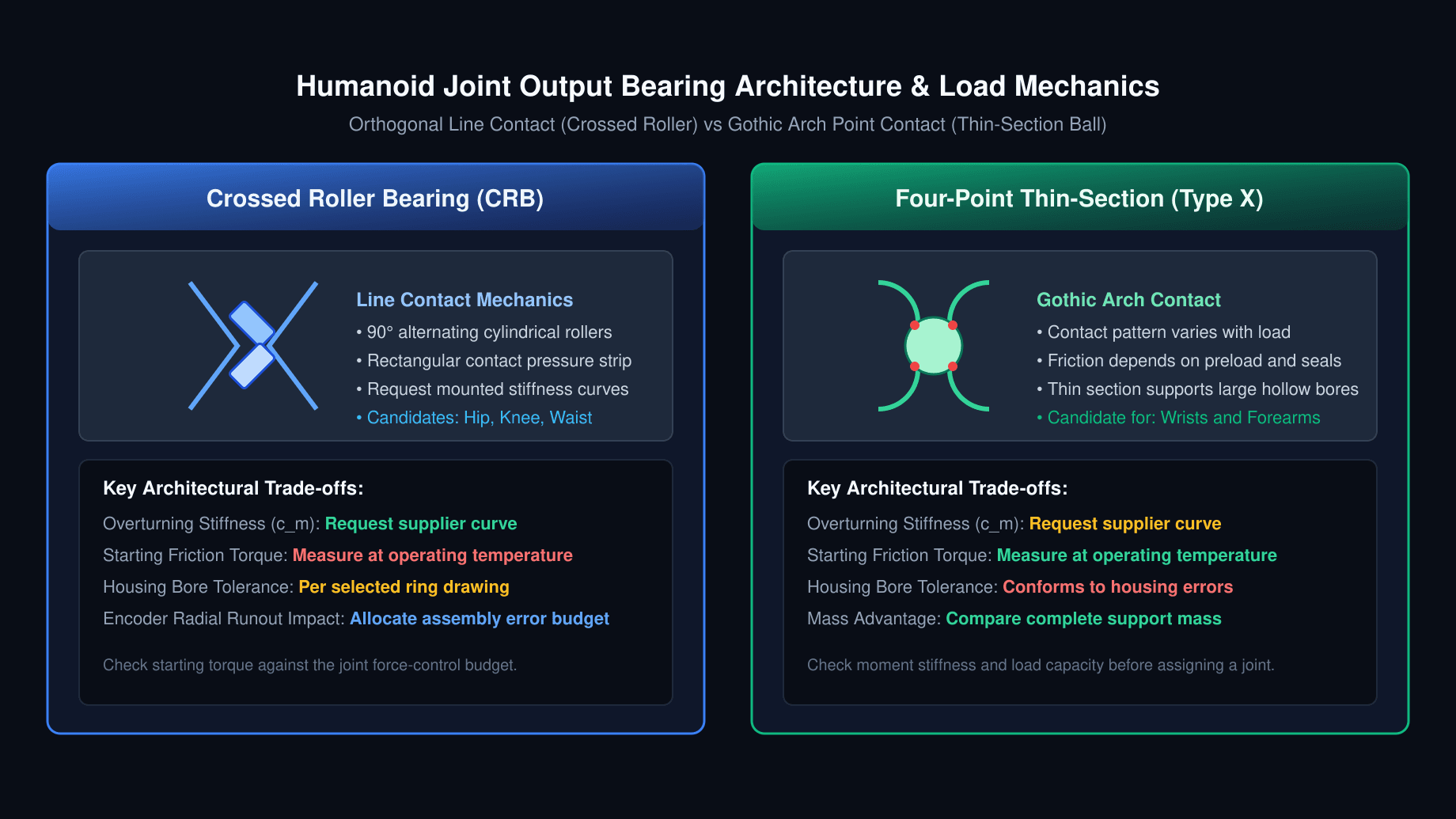
Compare crossed roller and four-point thin-section bearings for humanoid actuators. Review moment stiffness, preload, runout, and RFQ qualification checklist.

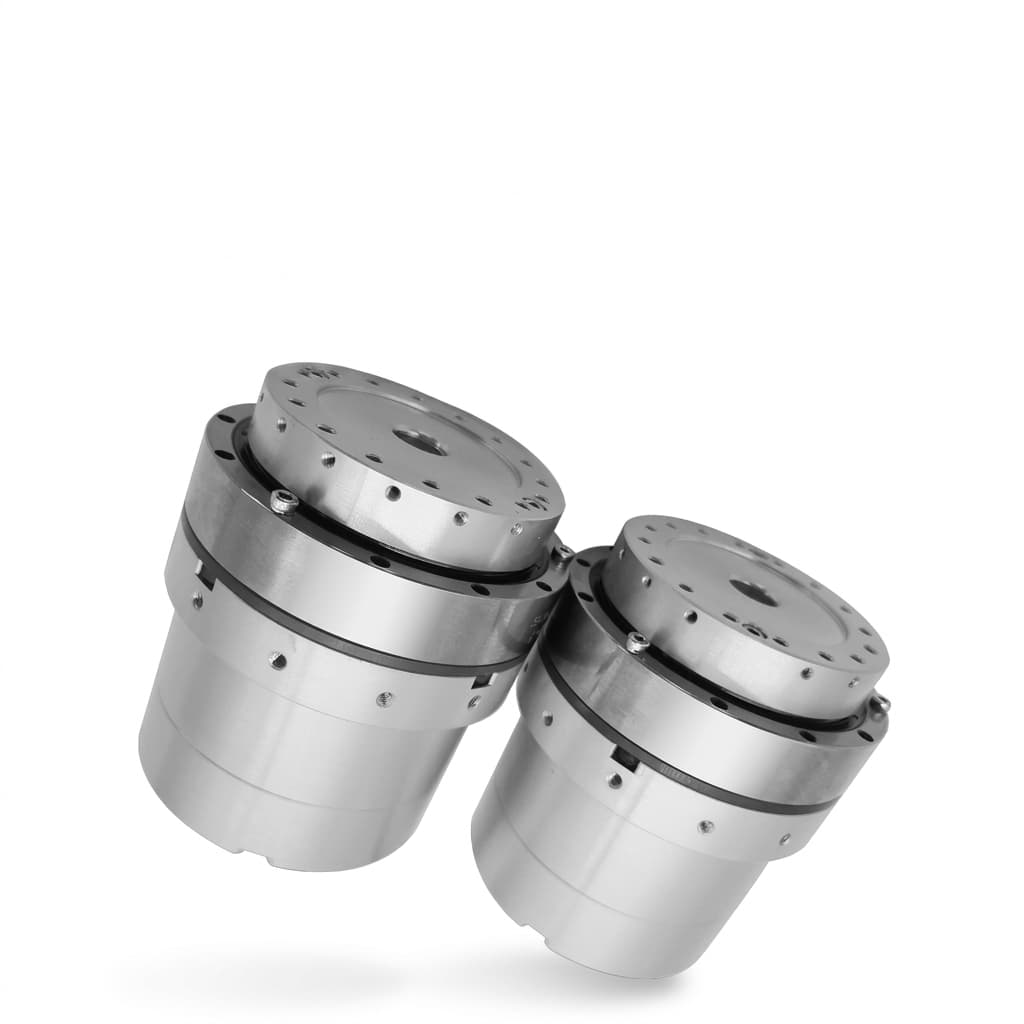
Compare power-off holding brakes for humanoid actuators: PM vs spring-applied designs, PWM heat, torque sizing, and thermal limits. Use the RFQ checklist.
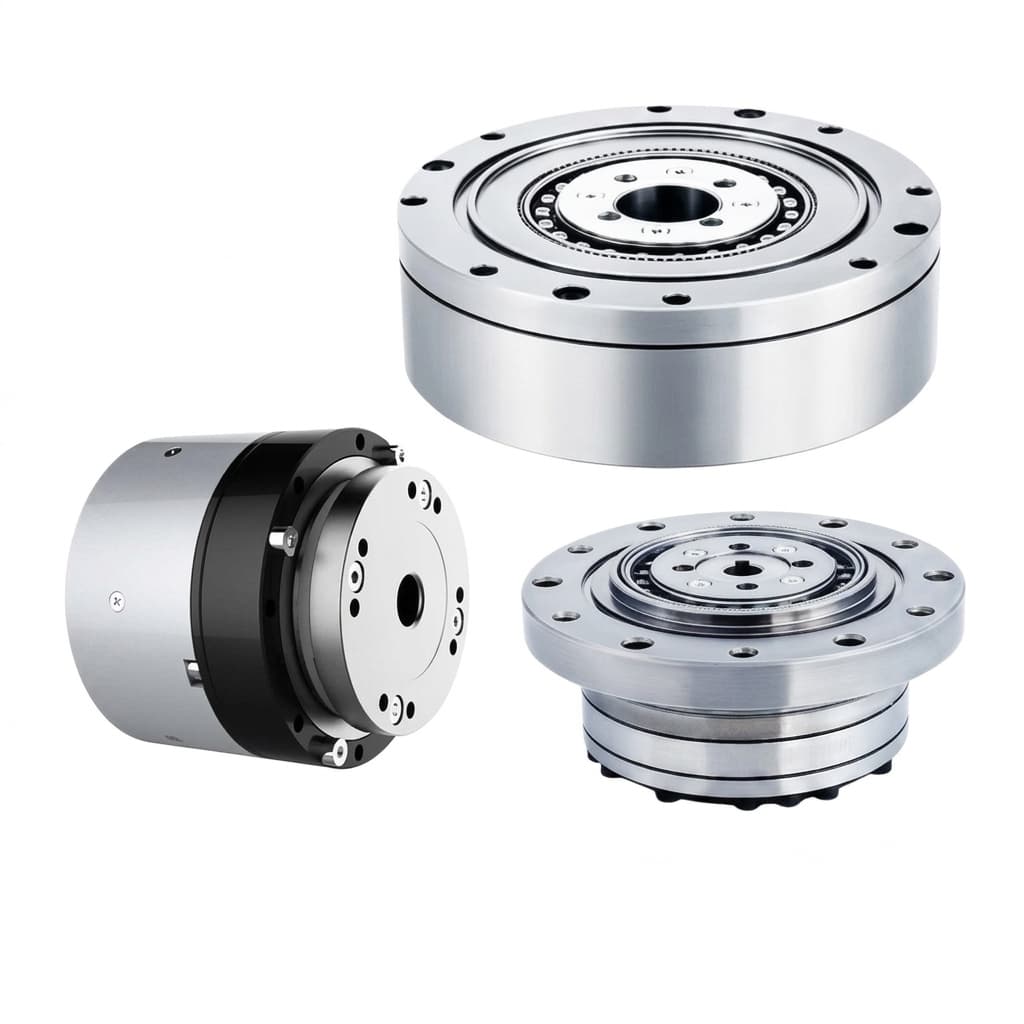
Compare dual absolute encoders vs single-encoder humanoid joints. Assess deflection, startup position, safety evidence and BOM trade-offs with an RFQ checklist.
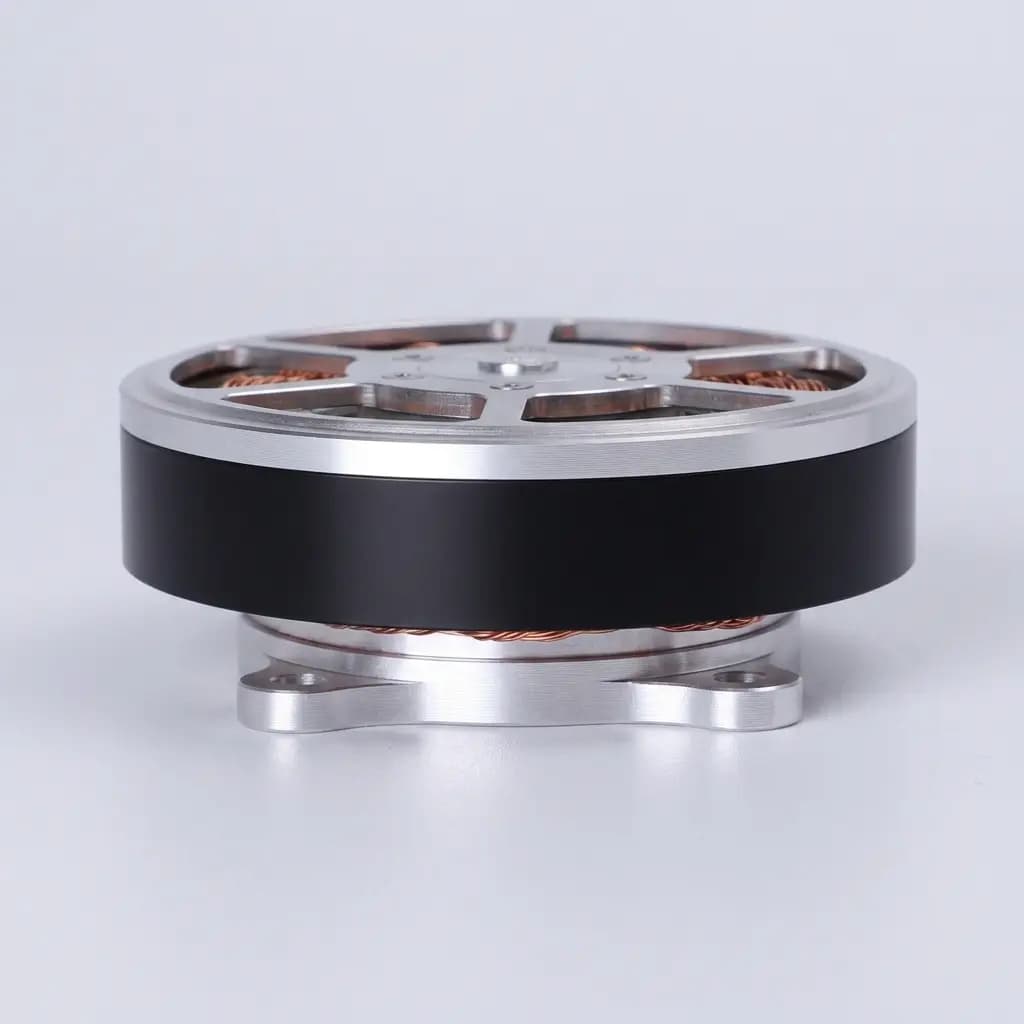
Compare QDD vs high-ratio humanoid actuators by inertia, backdrivability and thermal duty. Use the sizing example and RFQ checklist to shortlist joint modules.
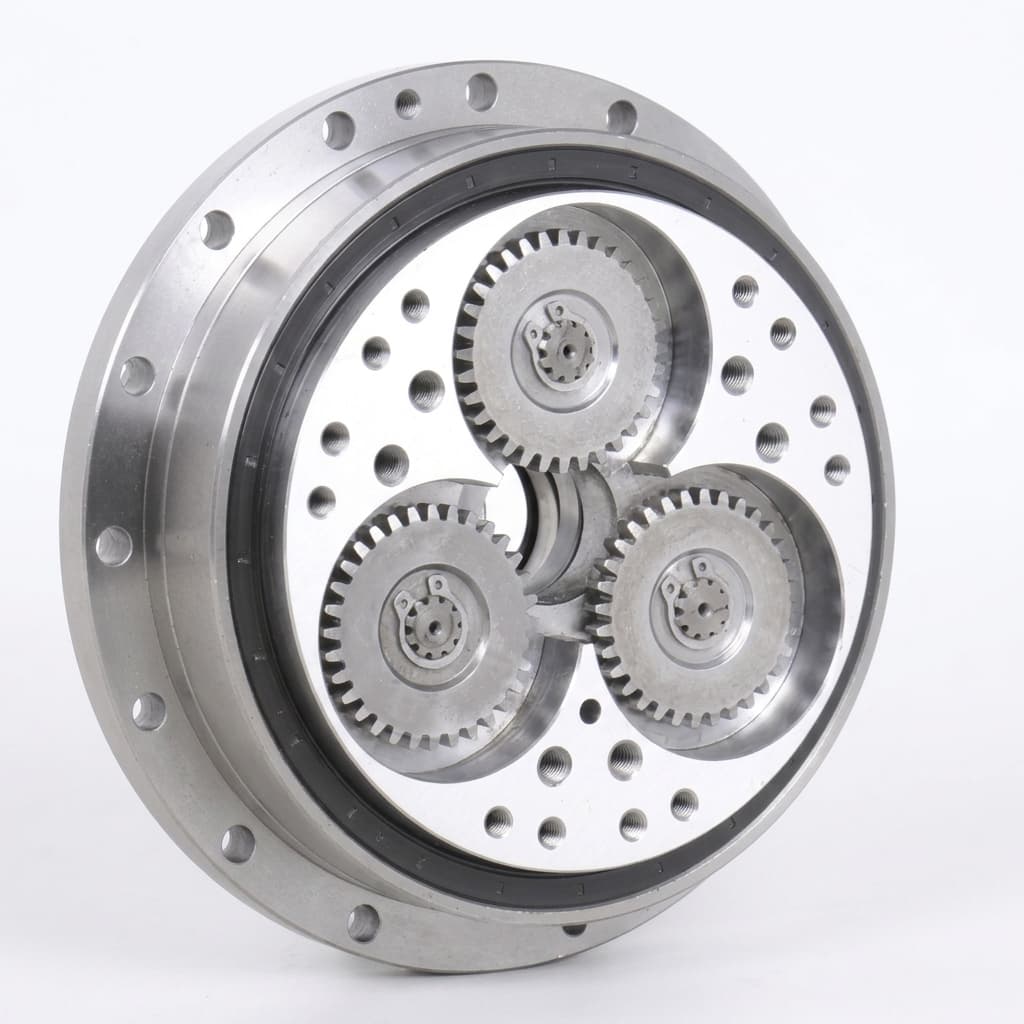
Compare strain wave vs. cycloidal reducers for humanoid rotary actuators. Check shock ratings, lost motion, sizing examples, and prepare your supplier RFQ.
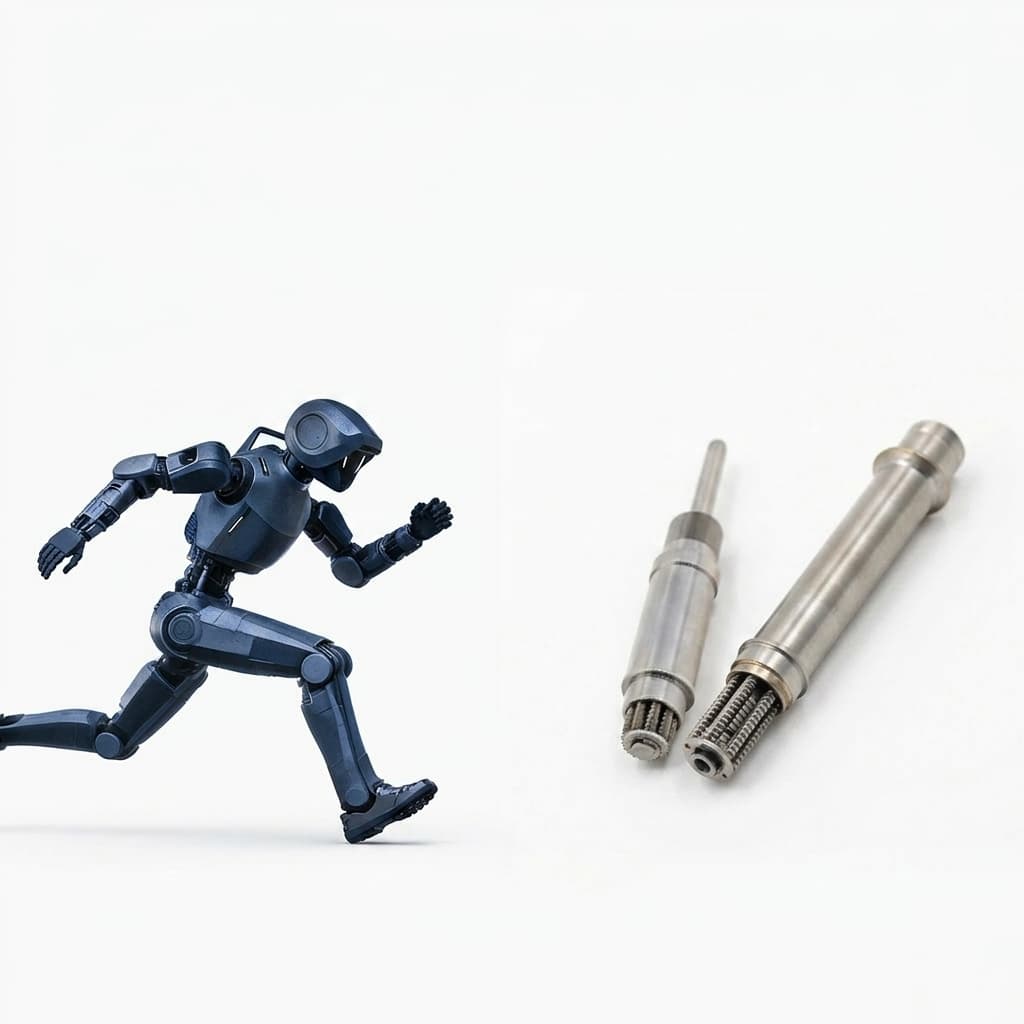
Compare planetary roller screws vs ball screws for humanoid linear actuators. Check loads, packaging and supplier evidence, then prepare your engineering RFQ.