
Sourcing Positioning
China-based precision motion sourcing desk coordinating humanoid robot actuator catalogs, sample programs, and OEM-ready joint module projects through qualified manufacturing partners.
We help overseas robotics teams source sample-ready humanoid actuator modules, matched controllers, encoders, brakes, harnesses, and custom interfaces.
The site is positioned as a catalog-first sourcing desk for humanoid robot builders: broad actuator options, fast sample support, and practical engineering checks before custom programs are opened.
China-based precision motion sourcing desk coordinating humanoid robot actuator catalogs, sample programs, and OEM-ready joint module projects through qualified manufacturing partners.
Support from requirement alignment to DFM, prototype validation, and production transition for long-cycle procurement programs.
Process-checkpoint planning, export packaging, and global shipment coordination aligned with confirmed scope and reviewable records.
Engineering Asset Status
Current site images are reference selection visuals for catalog navigation. They should not be treated as final factory photos, CAD drawings, test records, or lot-specific inspection documents. For shortlisted models, request the controlled packet tied to model code, drawing revision, test condition, and sample lot.
Reference visuals, product-family routes, RFQ class matrices, and validation checklists for early selection.
Controlled datasheet, drawing or CAD path, torque-speed or thermal record, wiring notes, and sample or OQC evidence.
Verified factory-floor photos, teardown images, and lot-specific test reports are not presented as public evidence until real project assets exist.
These images are used as category references for catalog sourcing discussions. Final sample fit still depends on confirmed RFQ class, drawing revision, control stack, and validation gate.
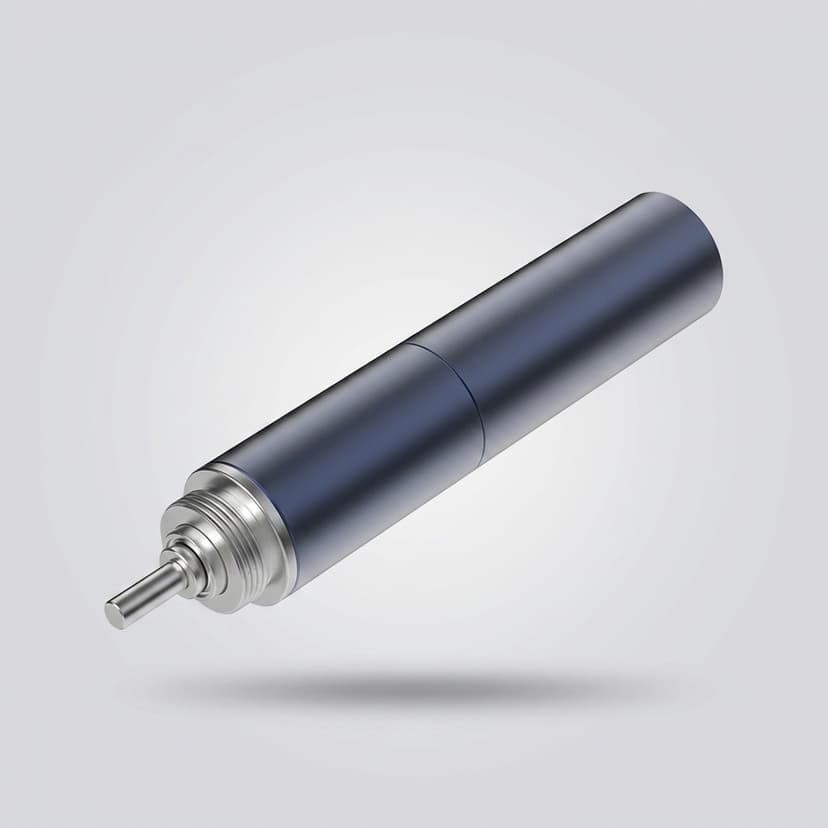
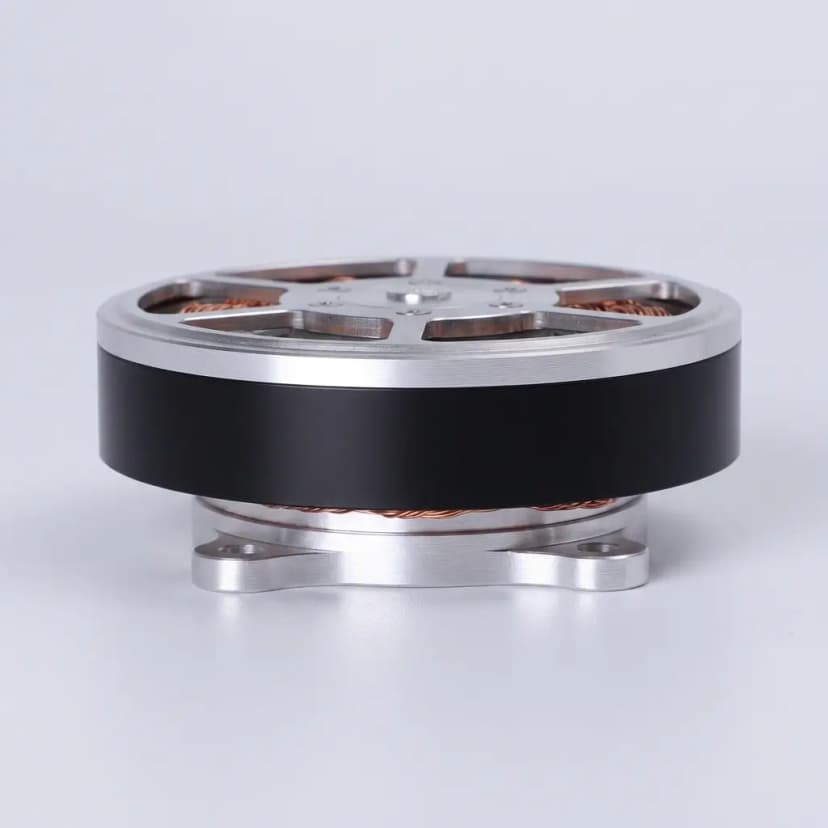
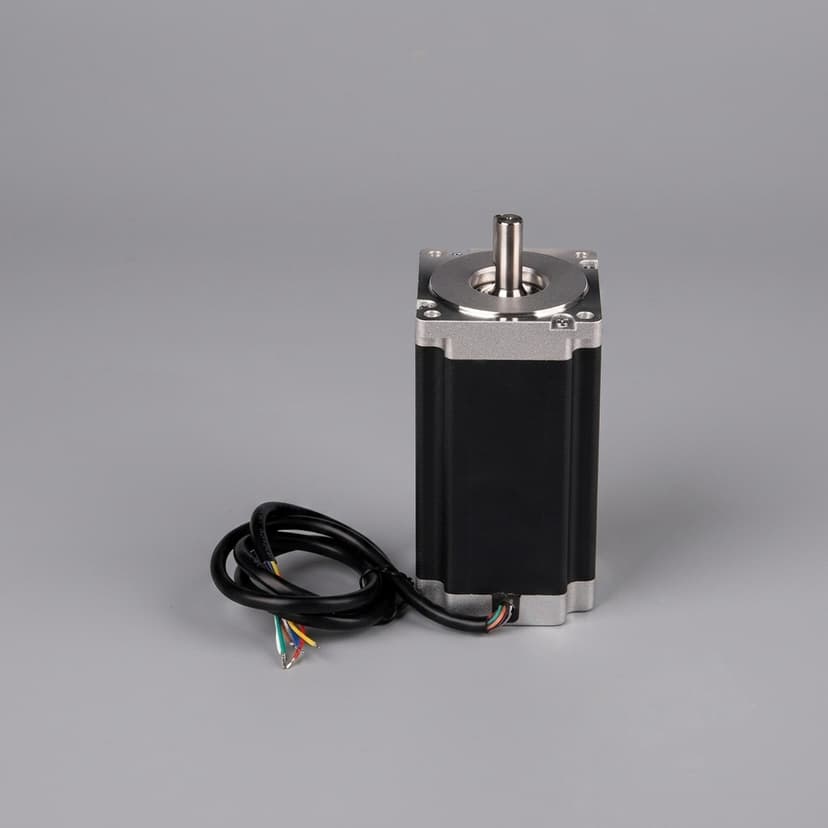
Procurement and engineering teams usually need more than a product photo. This map shows what can be reviewed before sample release, pilot planning, or repeat-order approval.
| Evidence Area | Buyer Question | Reviewable Evidence | Boundary | Next Page |
|---|---|---|---|---|
| Model selection evidence | Can the proposed actuator class actually match our joint, duty, and envelope? | Joint map review, model shortlist, torque-speed duty notes, interface revision baseline, and RFQ class mapping. | A shortlist is not final approval until drawings, duty cycle, and control assumptions are confirmed. | Review track |
| Sample validation evidence | What must be proven before we scale from samples to a pilot batch? | Acceptance criteria, sample test priority, thermal / backlash / brake / force-control checks, and revision notes. | Validation scope depends on the selected actuator family and the buyer-side test fixture. | Review track |
| Interface and harness evidence | Will the actuator fit our mechanical interface and controller stack? | Drawing revision review, flange and cable-exit notes, connector assumptions, harness pinout, protocol, encoder, and brake interface notes. | Controlled CAD / STEP or pinout files may require a confirmed model path, OEM scope, or NDA. | Review track |
| BOM and accessory evidence | Are the motor, reducer, driver, encoder, brake, and harness being quoted as one usable stack? | Matched accessory list, voltage and current assumptions, firmware / protocol notes, and document request list. | Accessory compatibility still needs final confirmation against the buyer controller and safety behavior. | Review track |
| Delivery and repeat-order evidence | Can the accepted sample be repeated without silent revision drift? | Revision tracking, outgoing inspection scope, packaging requirement, Incoterm, destination, and pilot forecast. | Lead time and records depend on model availability, customization depth, and confirmed commercial scope. | Review track |
| Capability Area | What We Support | Buyer Value |
|---|---|---|
| Product Coverage | Multiple joint positions, torque classes, voltage options, protocols, reducers, encoders, brakes, and control kits | One-vendor coordination across multi-axis projects. |
| Customization | Flange, housing, hollow-shaft routing, connector, harness, brake, encoder, and packaging adaptation | Reduces integration friction and rework risk. |
| Validation | Sample workflow with measurable acceptance criteria | Supports decision-ready prototype gates. |
| Quality & Delivery | Process checkpoints, traceability, export execution planning | Improves repeat-order predictability and audit readiness. |
| Record | When Needed | What It Shows | Boundary |
|---|---|---|---|
| Datasheet and model summary | Early shortlist and internal design review. | Rated output, peak window, voltage, protocol, mass, interface assumptions, and operating limits. | Treat it as a selection aid; final fit still depends on the buyer drawing and duty cycle. |
| Dimensional drawing or CAD path | Before mechanical freeze or sample release. | Envelope, flange, bore, cable exit, connector space, and revision baseline. | CAD / STEP availability depends on model family, OEM scope, and NDA status. |
| Sample inspection or test note | Before accepting samples for pilot planning. | Evidence around the selected test priority: torque, backlash, temperature rise, noise, brake behavior, or force response. | The useful test must be agreed by application; generic records may not answer the buyer risk. |
| Accessory and wiring note | When a controller, encoder, brake, or harness is included. | Voltage, current limit, protocol, connector, pinout, firmware assumption, and safety behavior. | Compatibility must be checked against the buyer controller and robot safety logic. |
| Packaging and shipment baseline | Before sample, pilot, or repeat-order logistics. | Incoterm, destination, packing method, declared description, target ship date, and required export documents. | Final delivery terms depend on confirmed commercial scope and destination requirements. |
These statements are useful only when tied to RFQ data, accepted samples, records, or agreed project scope.
Use standard actuator classes first, then confirm interface and accessory scope before shipment.
Boundary: Fast sampling does not mean every custom flange, firmware, or CAD package is instantly available.
RFQ review covers torque-speed duty, envelope, protocol, encoder, brake, harness, and validation priority.
Boundary: It does not replace buyer-side system validation inside the final robot platform.
Datasheets, drawings, wiring notes, inspection notes, and shipment documents can be requested by project stage.
Boundary: Record availability and depth depend on model path, OEM scope, order stage, and controlled-file permissions.
Use drawing revision, accessory baseline, sample acceptance result, and outgoing record scope before pilot release.
Boundary: Repeatability cannot be asserted if the accepted sample baseline or change request is not documented.
Inquiry Email
Subject: OEM Inquiry - Fast Sample and Pilot Supply
This inquiry started from an OEM capability page. Keep the request anchored to customization scope, document release boundaries, and repeat-order controls. Source context: Fast Sample and Pilot Supply.
Instant Chat
+8618857971991
Best for quick model-fit questions before a full RFQ email.
Operated by Magatom Dynamics Co., Ltd.
深圳磁原动力科技有限公司
This company signs contracts, issues commercial invoices and receives payments for new orders. Please use the payment details provided on your invoice.