
Choose product family, torque or force window, interfaces, and document request scope.
Manufacturing-network sourcing and engineering coordination for humanoid actuator programs, from first catalog samples to pilot batches and repeat production.
This section is organized around the buyer journey: model selection, sample evidence, interface customization, BOM matching, process quality, and global delivery execution.
Sourcing stages
Use OEM capabilities after the catalog baseline and validation evidence are clear enough to discuss documents, customization, and repeat-order controls.
Choose product family, torque or force window, interfaces, and document request scope.
Map joint loads, sample gates, application risks, and candidate actuator evidence.
Align sample quantity, NDA boundary, revision control, pilot supply, and repeat-order handoff.
Engineering Asset Status
Current site images are reference selection visuals for catalog navigation. They should not be treated as final factory photos, CAD drawings, test records, or lot-specific inspection documents. For shortlisted models, request the controlled packet tied to model code, drawing revision, test condition, and sample lot.
Reference visuals, product-family routes, RFQ class matrices, and validation checklists for early selection.
Controlled datasheet, drawing or CAD path, torque-speed or thermal record, wiring notes, and sample or OQC evidence.
Verified factory-floor photos, teardown images, and lot-specific test reports are not presented as public evidence until real project assets exist.
Treat OEM capability as a bounded engineering claim. These points separate what can be supported during sample and pilot planning from assumptions that still need buyer-side validation, scope confirmation, or controlled-document release.
| Claim | Evidence Support | Boundary |
|---|---|---|
| Catalog samples are available for fast evaluation. | Use standard actuator classes first, then confirm interface and accessory scope before shipment. | Fast sampling does not mean every custom flange, firmware, or CAD package is instantly available. |
| Engineering support can reduce integration risk. | RFQ review covers torque-speed duty, envelope, protocol, encoder, brake, harness, and validation priority. | It does not replace buyer-side system validation inside the final robot platform. |
| Quality records can support procurement review. | Datasheets, drawings, wiring notes, inspection notes, and shipment documents can be requested by project stage. | Record availability and depth depend on model path, OEM scope, order stage, and controlled-file permissions. |
| Pilot and repeat orders can be revision controlled. | Use drawing revision, accessory baseline, sample acceptance result, and outgoing record scope before pilot release. | Repeatability cannot be asserted if the accepted sample baseline or change request is not documented. |
Use this as a supplier qualification checklist before committing to samples, interface customization, pilot quantity, or repeat-order planning.
| Evidence Area | Buyer Question | Reviewable Evidence | Boundary | OEM Track |
|---|---|---|---|---|
| Model selection evidence | Can the proposed actuator class actually match our joint, duty, and envelope? | Joint map review, model shortlist, torque-speed duty notes, interface revision baseline, and RFQ class mapping. | A shortlist is not final approval until drawings, duty cycle, and control assumptions are confirmed. | Review |
| Sample validation evidence | What must be proven before we scale from samples to a pilot batch? | Acceptance criteria, sample test priority, thermal / backlash / brake / force-control checks, and revision notes. | Validation scope depends on the selected actuator family and the buyer-side test fixture. | Review |
| Interface and harness evidence | Will the actuator fit our mechanical interface and controller stack? | Drawing revision review, flange and cable-exit notes, connector assumptions, harness pinout, protocol, encoder, and brake interface notes. | Controlled CAD / STEP or pinout files may require a confirmed model path, OEM scope, or NDA. | Review |
| BOM and accessory evidence | Are the motor, reducer, driver, encoder, brake, and harness being quoted as one usable stack? | Matched accessory list, voltage and current assumptions, firmware / protocol notes, and document request list. | Accessory compatibility still needs final confirmation against the buyer controller and safety behavior. | Review |
| Delivery and repeat-order evidence | Can the accepted sample be repeated without silent revision drift? | Revision tracking, outgoing inspection scope, packaging requirement, Incoterm, destination, and pilot forecast. | Lead time and records depend on model availability, customization depth, and confirmed commercial scope. | Review |
Trust should come from verifiable engineering records, not broad factory claims. Use these evidence areas to decide what should be requested before sample acceptance, pilot release, or repeat-order approval.
| Evidence Area | Buyer Risk | Review Packet | Acceptance Boundary |
|---|---|---|---|
| Manufacturing process evidence | A drawing may be acceptable, but the process route can still introduce fit, concentricity, or batch-repeatability risk. | Process route summary, key fixture or machining checkpoint, special-process note, and revision-controlled drawing baseline. | Process evidence must be tied to the selected model family and revision; generic factory capability photos are not enough for acceptance. |
| Torque, backlash, and thermal test basis | Peak torque claims can hide thermal derating, backlash drift, or duty-cycle limits under repeated humanoid gait loads. | Sample test note, torque-speed or force-stroke basis, backlash or compliance checkpoint, temperature-rise condition, and pass/fail threshold. | A useful record must match the buyer duty cycle or agreed proxy test; public catalog values should stay provisional. |
| Electrical and control-stack verification | Voltage, current limit, encoder, brake, protocol, and firmware assumptions can fail after mechanical fit has already been confirmed. | Driver and encoder note, connector and harness pinout, brake behavior, firmware or protocol assumption, and safety-state review. | Compatibility is not final until checked against the buyer controller, wiring harness, and robot safety logic. |
| Outgoing quality control records | A sample that passes once can drift during pilot or repeat batches if CTQ records and change control are not explicit. | OQC checklist, serial or batch traceability, inspection dimensions, functional test scope, packaging record, and nonconformance route. | OQC depth depends on order stage and commercial scope; repeat-order control must reference the accepted sample baseline. |
Global humanoid actuator buyers need commercial claims to be scoped as carefully as engineering claims. These checkpoints keep Incoterms, customs assumptions, packaging, stock, and pilot cadence visible before a quote is treated as execution-ready.
| Checkpoint | Buyer Input | Supplier Confirmation | Boundary |
|---|---|---|---|
| Incoterm and delivery responsibility | Destination, preferred Incoterm, importer-of-record expectation, target delivery window, and shipment priority. | Quoted delivery term, handoff point, packaging baseline, expected lead time, and documents included with shipment. | DDP, DDU/DAP, FCA, EXW, and courier options require project-specific confirmation; do not infer tax or customs responsibility from a catalog page. |
| HS / HTS and tariff assumption | Destination country, buyer classification preference, declared product description, and compliance review owner. | Proposed customs description, document set, country-of-origin statement path, and any classification assumptions to be reviewed by the buyer. | Final HS / HTS classification and tariff impact are buyer-side compliance decisions unless separately contracted with a licensed broker. |
| Packaging and transport risk | Sample quantity, fragile components, spare accessories, storage condition, and handling requirements for test-lab receipt. | Carton or case method, protective packing, label requirements, inspection-before-ship record, and shipment photo or packing note if needed. | Packaging claims should be confirmed for the actual actuator family, mass, accessories, and shipment mode. |
| Stock, pilot capacity, and repeat cadence | Needed sample date, pilot forecast, repeat-order cadence, customization depth, and acceptable substitution policy. | Available stock or build slot, pilot lead-time assumption, change-control route, and escalation path for shortage or revision changes. | Overseas stock, free-trade-zone handling, or expedited capacity should be treated as availability claims until confirmed for the exact model and date. |
| Gate | Buyer Input | Supplier Output | Pass Signal |
|---|---|---|---|
| Gate 1 - RFQ baseline | Joint map, torque-speed duty, mechanical envelope, electrical stack, quantity, and target delivery terms. | Candidate RFQ class, missing-data list, architecture direction, and first validation risk. | Both sides agree which actuator class is being evaluated and which assumptions are still provisional. |
| Gate 2 - Sample release | Drawing revision, interface constraints, validation priority, accessory list, and test fixture context. | Sample scope, document request path, lead-time assumptions, and acceptance evidence plan. | The sample is tied to a measurable acceptance test instead of only a catalog description. |
| Gate 3 - Pilot readiness | Accepted sample result, requested changes, pilot quantity, packaging needs, and updated forecast. | Revision-controlled quote, outgoing record scope, packaging plan, and repeat-order risk notes. | Pilot units can be traced back to the accepted sample baseline and approved changes. |
| Gate 4 - Repeat production | Approved revision, forecast cadence, quality record expectation, and shipment rhythm. | Process checkpoint plan, outgoing inspection record, change-control route, and delivery coordination. | Quality, revision, and logistics expectations are clear before repeat orders are released. |
OEM qualification should separate public selection material from controlled engineering files. Use these levels to request the correct packet for model selection, sample release, CAD review, pilot approval, and repeat-order control.
| Access Level | Buyer Stage | Documents | Release Boundary | Primary Use |
|---|---|---|---|---|
| Public selection packet | Early shortlist | Datasheet, model summary, basic envelope image, and application fit notes. | Used for selection only; it is not a controlled drawing or final project guarantee. | Decide whether the actuator family deserves engineering RFQ effort. |
| RFQ-qualified engineering packet | Before sample quote | 2D envelope, interface notes, wiring / protocol note, accessory list, and sample gate. | Provided after the model path is clear; it may still exclude editable CAD or supplier-controlled internals. | Check whether a sample can be integrated and tested. |
| NDA-controlled CAD packet | Before mechanical freeze | STEP / CAD path, pinout details, revision-controlled drawings, and customization notes. | Not an automatic website download; controlled files depend on model, OEM scope, and permission. | Let mechanical and electrical teams freeze interface assumptions. |
| Sample validation packet | Before pilot decision | Inspection note, focused test result, revision record, and packing / shipment baseline. | Generic records may not answer the application risk; request the exact test that matters. | Decide whether accepted samples can move into pilot planning. |
| Pilot / repeat-order packet | Before repeat PO | Outgoing inspection scope, revision baseline, packaging plan, and change-control route. | Final content depends on commercial scope and agreed QC terms. | Prevent silent revision drift between sample, pilot, and repeat orders. |
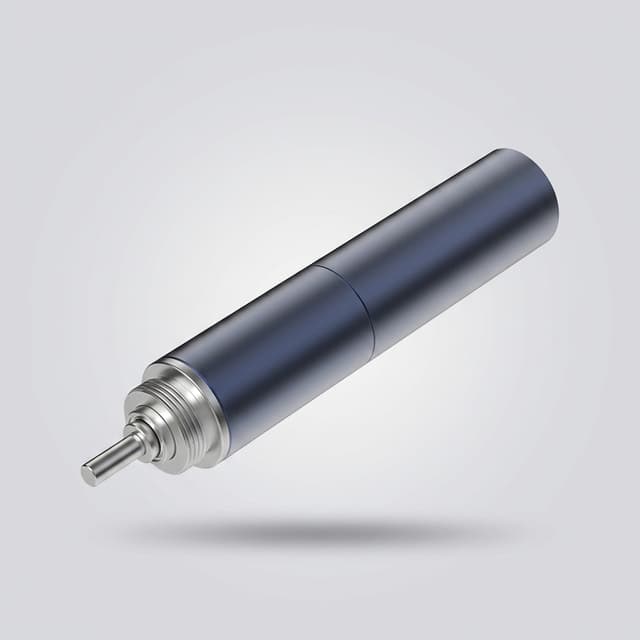
Selection support that turns a humanoid joint map into practical catalog actuator candidates before a buyer commits to samples or custom tooling.
For procurement and engineering teams that need a defensible first model shortlist from incomplete prototype assumptions.
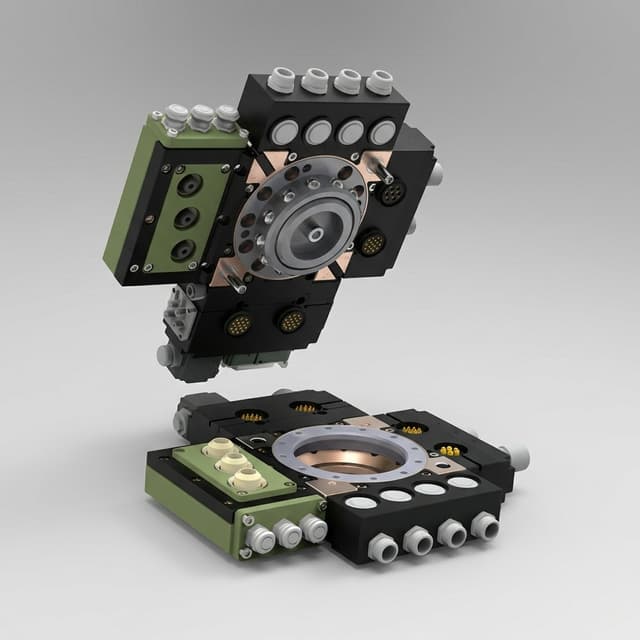
Sample and pilot-order execution for humanoid actuator buyers who need standard hardware quickly while the robot architecture is still evolving.
For buyers who need usable actuator samples quickly and can accept standard interfaces during the first validation stage.
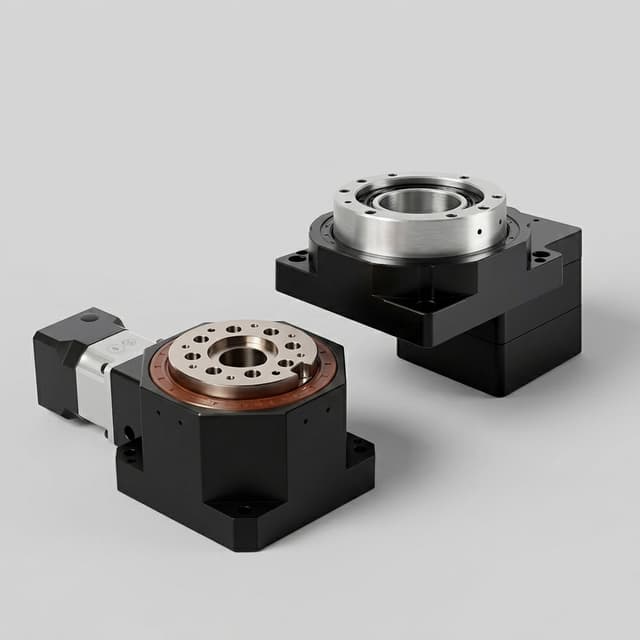
Customization support for output flange, mounting pattern, hollow-shaft routing, connector position, cable length, and harness details after a catalog model is selected.
For teams that have chosen a standard actuator family but need it to fit a specific robot joint shell and wiring architecture.
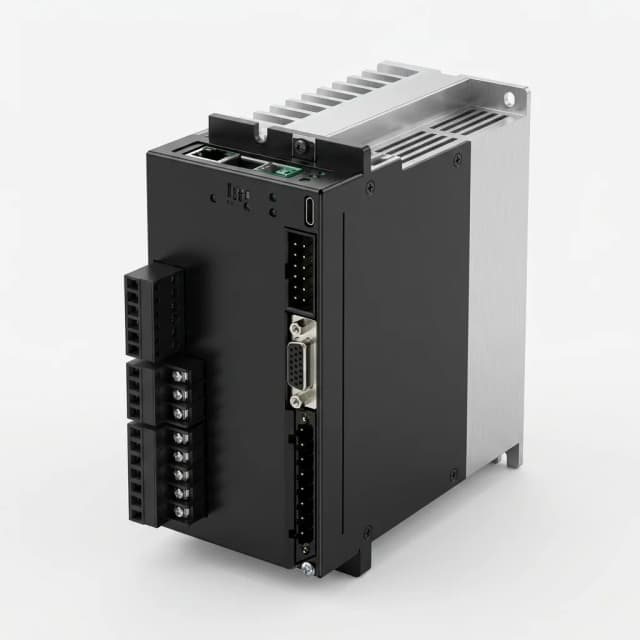
BOM integration support for actuator modules, frameless motors, reducers, encoders, controllers, brakes, wiring, and accessory kits for humanoid prototype teams.
For buyers who want one RFQ thread for the actuator stack instead of sourcing every subcomponent separately.
| Capability | Primary Buyer Focus | Key Metric | Why It Matters | RFQ Route |
|---|---|---|---|---|
| Standard Actuator Model Selection | For procurement and engineering teams that need a defensible first model shortlist from incomplete prototype assumptions. | Shortlist quality: 2-4 candidate paths per major joint group | A short but broad-enough shortlist lets teams compare availability, cost, and technical risk. | Start RFQ |
| Fast Sample and Pilot Supply | For buyers who need usable actuator samples quickly and can accept standard interfaces during the first validation stage. | Sample lead-time clarity: Model and accessory dependent | Fast delivery only helps if the sample arrives with the right driver, encoder, and harness assumptions. | Start RFQ |
| Custom Interface and Harness | For teams that have chosen a standard actuator family but need it to fit a specific robot joint shell and wiring architecture. | Interface closure: Drawing and DFM dependent | A mechanically strong actuator still fails the project if flange, connector, or cable routing is wrong. | Start RFQ |
| Actuator BOM Integration | For buyers who want one RFQ thread for the actuator stack instead of sourcing every subcomponent separately. | Stack compatibility: Model and control-stack dependent | A humanoid actuator is a system; mismatched drivers or encoders can block bring-up even if the motor is correct. | Start RFQ |
Inquiry Email
Subject: OEM Inquiry - Fast Sample and Pilot Supply
This inquiry started from an OEM capability page. Keep the request anchored to customization scope, document release boundaries, and repeat-order controls. Source context: Fast Sample and Pilot Supply.
Instant Chat
+8618857971991
Best for quick model-fit questions before a full RFQ email.