
Mass budget
- Typical Range
- Joint and payload dependent
- Buyer Relevance
- Each upper-body actuator affects downstream torque and payload calculations.
Compact actuator selection for humanoid arms, wrists, neck modules, and end-effector support where low mass and smooth control are critical.
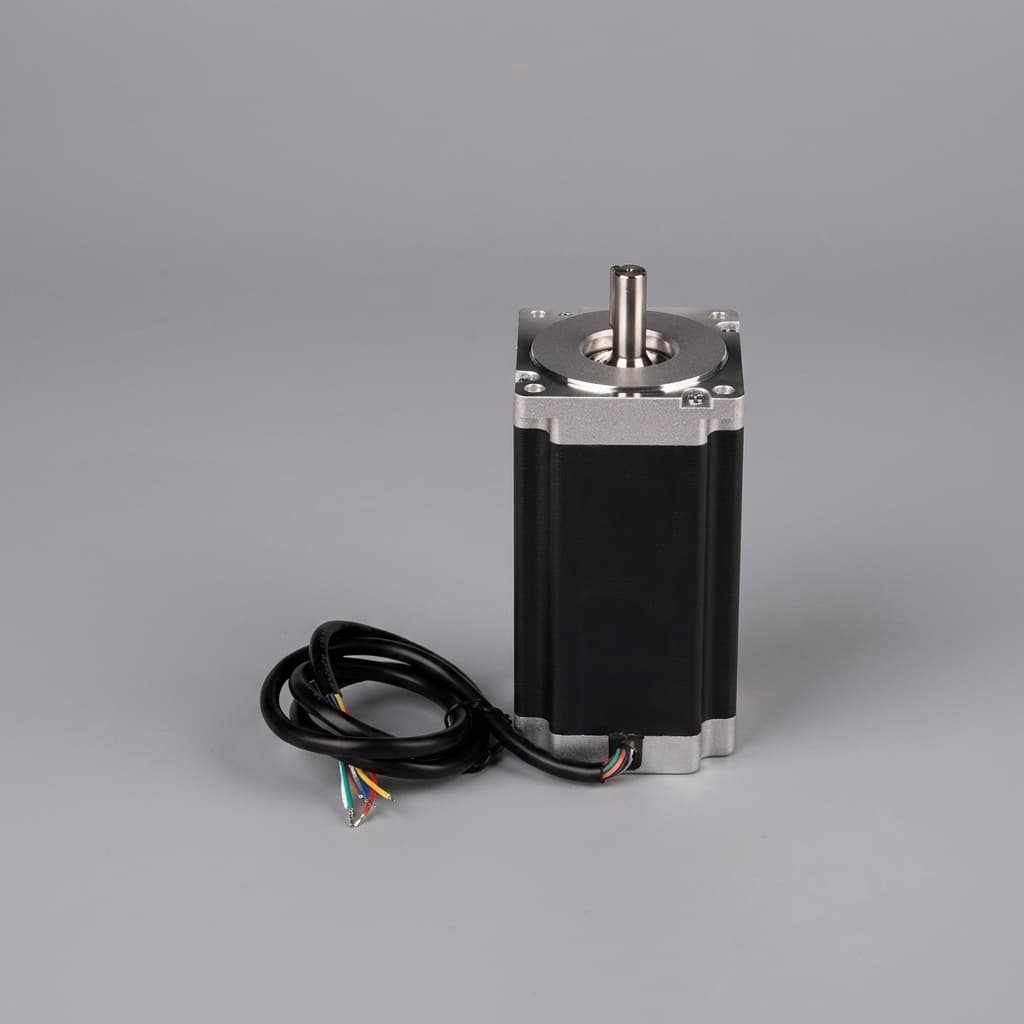
Reference visual for selection context. Confirm controlled drawings, CAD path, and test records for shortlisted models.
Engineering Asset Status
Current site images are reference selection visuals for catalog navigation. They should not be treated as final factory photos, CAD drawings, test records, or lot-specific inspection documents. For shortlisted models, request the controlled packet tied to model code, drawing revision, test condition, and sample lot.
Reference visuals, product-family routes, RFQ class matrices, and validation checklists for early selection.
Controlled datasheet, drawing or CAD path, torque-speed or thermal record, wiring notes, and sample or OQC evidence.
Verified factory-floor photos, teardown images, and lot-specific test reports are not presented as public evidence until real project assets exist.
| Evaluation Metric | Typical Range | Buyer Relevance |
|---|---|---|
| Mass budget | Joint and payload dependent | Each upper-body actuator affects downstream torque and payload calculations. |
This map turns the solution context into concrete document requests. Use it to decide which records, interface details, and sample checks should be available before moving from shortlist to PO, sample testing, or pilot planning.
| Validation Focus | Buyer Risk | Documents to Request | Test Record | Interface Input | Go / No-Go Signal |
|---|---|---|---|---|---|
| Mass budget and payload reach | A small actuator works alone but overloads the shoulder, elbow, or wrist after full arm stack-up. | Envelope drawing boundary, mass estimate, output torque-speed note, and recommended joint placement. | No-load smoothness and rated-load bench note before multi-axis arm integration. | Arm reach, payload, center-of-mass assumption, target actuator mass, and joint torque-speed table. | The actuator choice is checked against downstream mass effects, not only a single-axis torque target. |
| Cable routing and hollow-shaft path | Cable exit, bore size, connector direction, or bend radius blocks compact humanoid joint packaging. | Mounting pattern, bore or cable-through note, connector location, harness boundary, and CAD access path. | Fit-up or repeated-motion note when a cable-through or hollow-shaft sample is being evaluated. | Cable bundle diameter, connector type, exit direction, bend radius, and moving-joint routing sketch. | The selected sample has a credible cable path before custom flange or harness work starts. |
| Smoothness, backlash, and noise | Upper-limb motion looks acceptable in free space but fails manipulation or human-facing noise expectations. | Reducer type note, encoder option, backlash expectation, driver match, and acoustic or low-speed guidance. | Backlash check, low-speed smoothness note, encoder readout check, and current-limit behavior where available. | Manipulation task, speed range, acceptable backlash, noise expectation, feedback resolution, and controller loop. | The buyer can define an arm or hand acceptance test before approving multiple samples. |
These standard classes give buyer teams a practical starting point for samples, fixture planning, and engineering quotation scope before custom interfaces are frozen.
Compact QDD joint class
Wrist, neck, light ankle, compact lab axis
<50 Nm class
2-4 Nm continuous
8-14 Nm peak
180-320 rpm output class
CAN / CAN FD / PWM options
Absolute magnetic encoder
Optional holding brake
Fast sample shortlist
Backdrivability, low-speed smoothness, current limit, and cable exit.
Compact harmonic arm joint class
Elbow, shoulder-light, wrist pitch/yaw
<50 Nm class
6-15 Nm continuous
25-45 Nm peak
40-120 rpm output class
CAN / EtherCAT options
Absolute or dual encoder
Optional brake
Model fit after envelope review
Backlash, cable-through routing, arm mass budget, and mirrored joint consistency.
Hollow-shaft cable-through joint class
Shoulder, elbow, waist, wrist cable-through axes
50-150 Nm class
20-55 Nm continuous
80-160 Nm peak
20-75 rpm output class
CAN FD / EtherCAT options
Absolute encoder with bore clearance review
Optional or joint-dependent
Cable bundle and flange review required
Bore size, cable fatigue, connector placement, backlash, and output bearing load.
Micro linear finger actuator class
Finger, thumb, small linkage, lab end-effector
<50 Nm class
40-120 N force
180-300 N short duration
5-30 mm stroke class
Driver dependent
Position feedback or limit sensing
Self-locking or holding-force review
Mechanism review before sample selection
Stroke, side load, backlash, noise, heat, and end-stop behavior.
| RFQ Class | Product Family | Output Window | Integration Focus | Validation Gate |
|---|---|---|---|---|
HRA-C40-QDD Compact QDD joint class | Humanoid Robot Actuator Catalog Wrist, neck, light ankle, compact lab axis | <50 Nm class 2-4 Nm continuous 8-14 Nm peak 180-320 rpm output class | CAN / CAN FD / PWM options Absolute magnetic encoder Optional holding brake | Fast sample shortlist Backdrivability, low-speed smoothness, current limit, and cable exit. |
HRA-R55-ARM Compact harmonic arm joint class | Humanoid Robot Actuator Catalog Elbow, shoulder-light, wrist pitch/yaw | <50 Nm class 6-15 Nm continuous 25-45 Nm peak 40-120 rpm output class | CAN / EtherCAT options Absolute or dual encoder Optional brake | Model fit after envelope review Backlash, cable-through routing, arm mass budget, and mirrored joint consistency. |
HRA-HS80-CBL Hollow-shaft cable-through joint class | Humanoid Robot Actuator Catalog Shoulder, elbow, waist, wrist cable-through axes | 50-150 Nm class 20-55 Nm continuous 80-160 Nm peak 20-75 rpm output class | CAN FD / EtherCAT options Absolute encoder with bore clearance review Optional or joint-dependent | Cable bundle and flange review required Bore size, cable fatigue, connector placement, backlash, and output bearing load. |
HRA-LA16-FINGER Micro linear finger actuator class | Humanoid Robot Actuator Catalog Finger, thumb, small linkage, lab end-effector | <50 Nm class 40-120 N force 180-300 N short duration 5-30 mm stroke class | Driver dependent Position feedback or limit sensing Self-locking or holding-force review | Mechanism review before sample selection Stroke, side load, backlash, noise, heat, and end-stop behavior. |
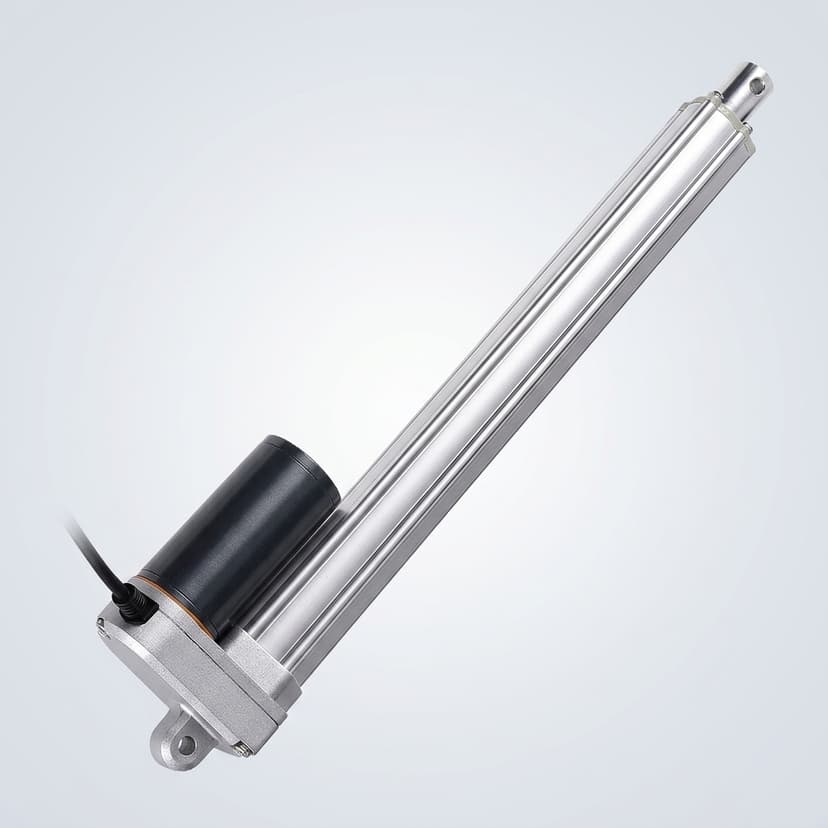
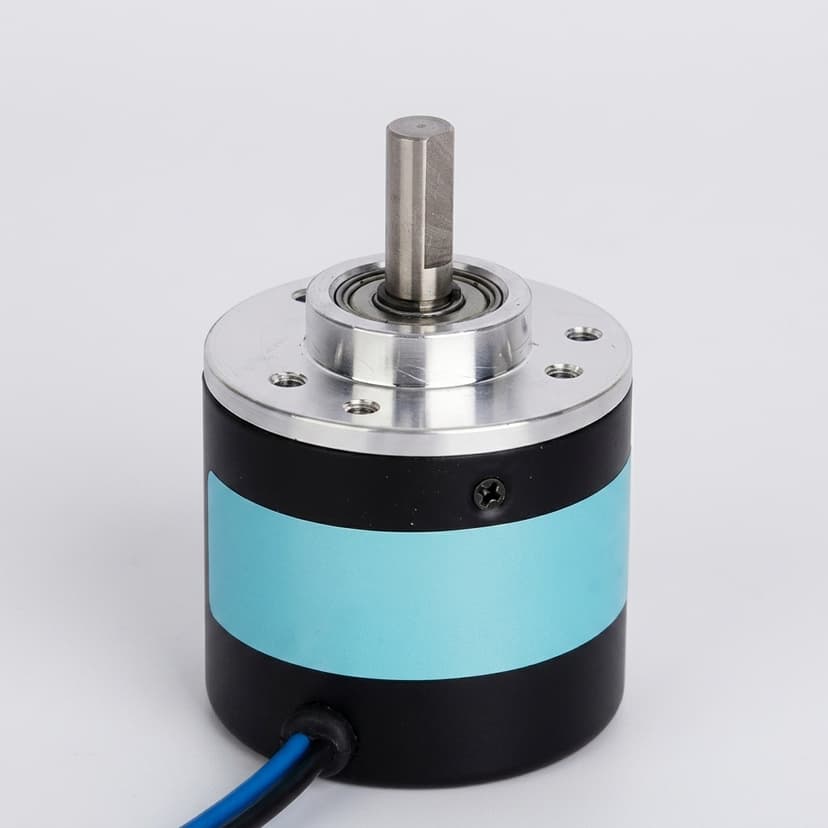
We can support small actuator and component sourcing, but dexterous hand projects need clear force, stroke, speed, and packaging data.
Procurement guide
Use the procurement guide when this solution context needs joint mapping, load-case evidence, sample timing, and buyer-side validation gates before supplier review.
A buyer-side guide for pre-modular humanoid actuator sourcing: selection risk, evidence requests, sample readiness, and pilot supply controls.
Next sourcing step
02 Application validation
After the application risk is mapped, move accepted load cases into sample quantity, controlled-document purpose, revision baseline, and pilot handoff planning.
Inquiry Email
Subject: Solution Inquiry - Humanoid Arm and Hand Actuators
This inquiry started from an application page. Keep the request anchored to the robot scenario, validation risk, and candidate actuator path. Source context: Humanoid Arm and Hand Actuators.
Instant Chat
+8618857971991
Best for quick model-fit questions before a full RFQ email.