
Choose product family, torque or force window, interfaces, and document request scope.
Current sectionSend catalog RFQ
Catalog-style actuator categories for humanoid robot sourcing, from high-torque leg joints to compact arm modules, QDD actuators, hollow-shaft joints, controller boards, encoders, and matched sample kits.
Use this page as a pre-RFQ navigator: pick the target joint family, capture torque-speed and packaging inputs, and move directly to sample validation criteria that a robotics team can approve.
If you are searching for an actuator for humanoid robots and its sizing trade-offs, start with the fit checker before choosing a catalog lane.
Sourcing stages
Begin with a catalog shortlist, move into application validation, then open OEM sample execution after the baseline fit is clear.
Choose product family, torque or force window, interfaces, and document request scope.
Map joint loads, sample gates, application risks, and candidate actuator evidence.
Align sample quantity, NDA boundary, revision control, pilot supply, and repeat-order handoff.
Engineering Asset Status
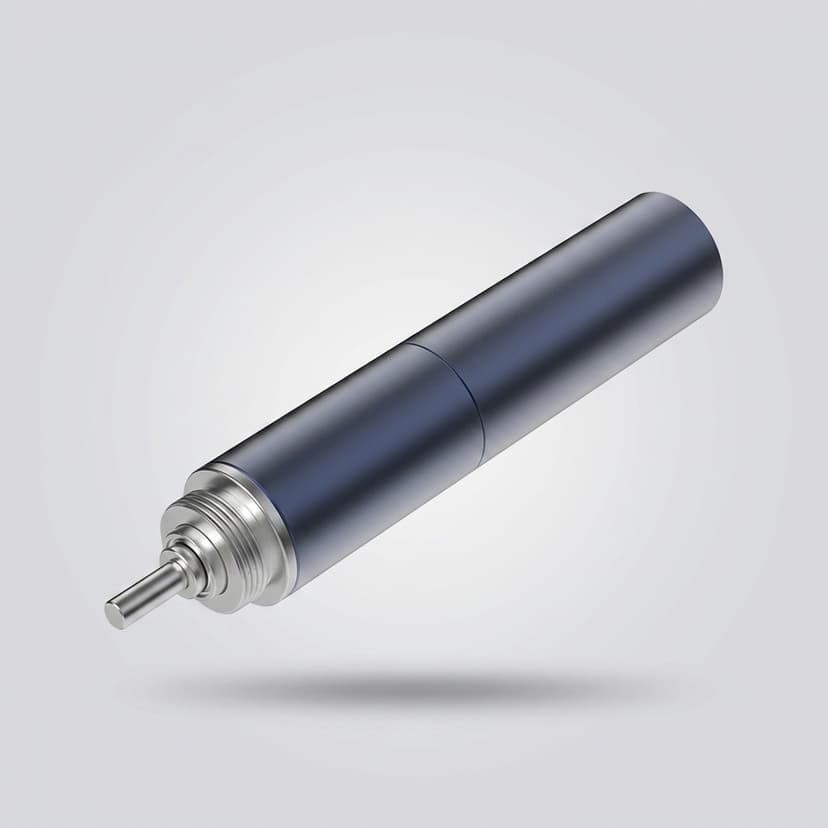
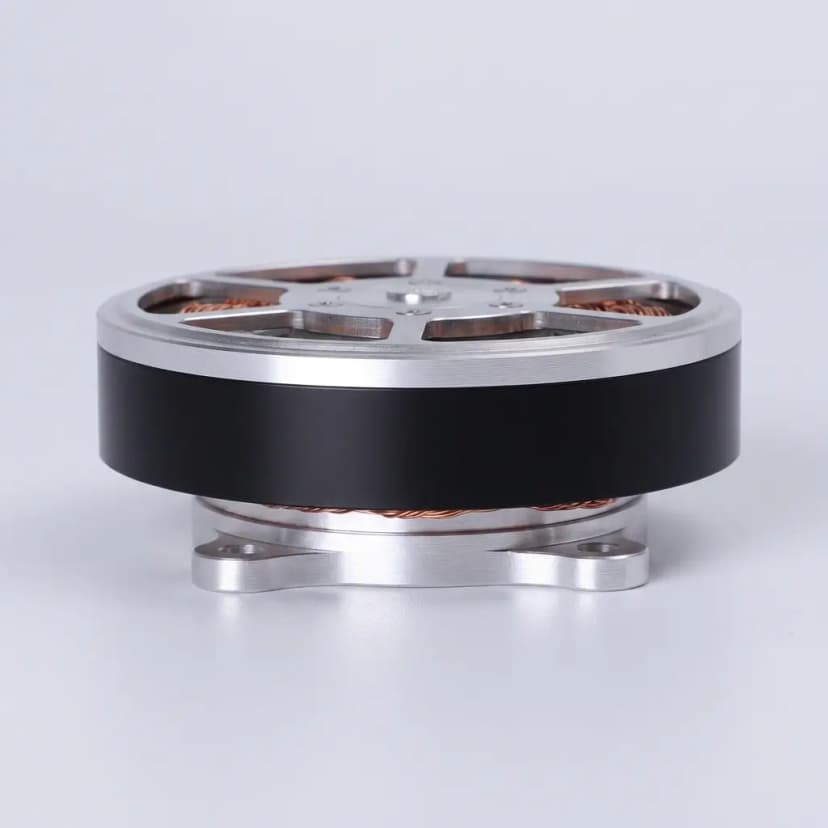
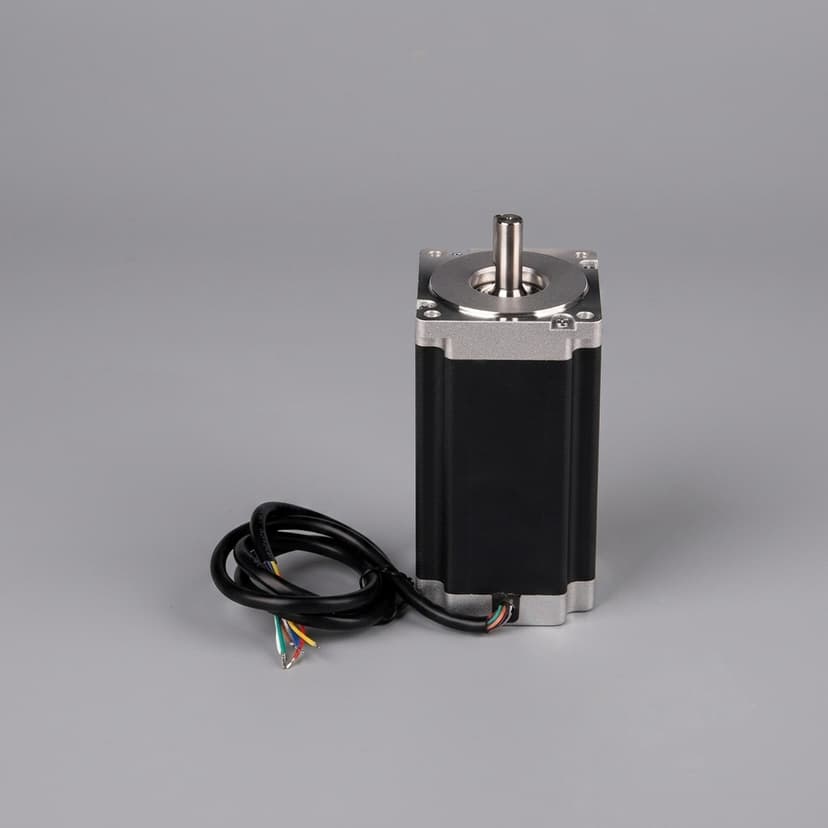
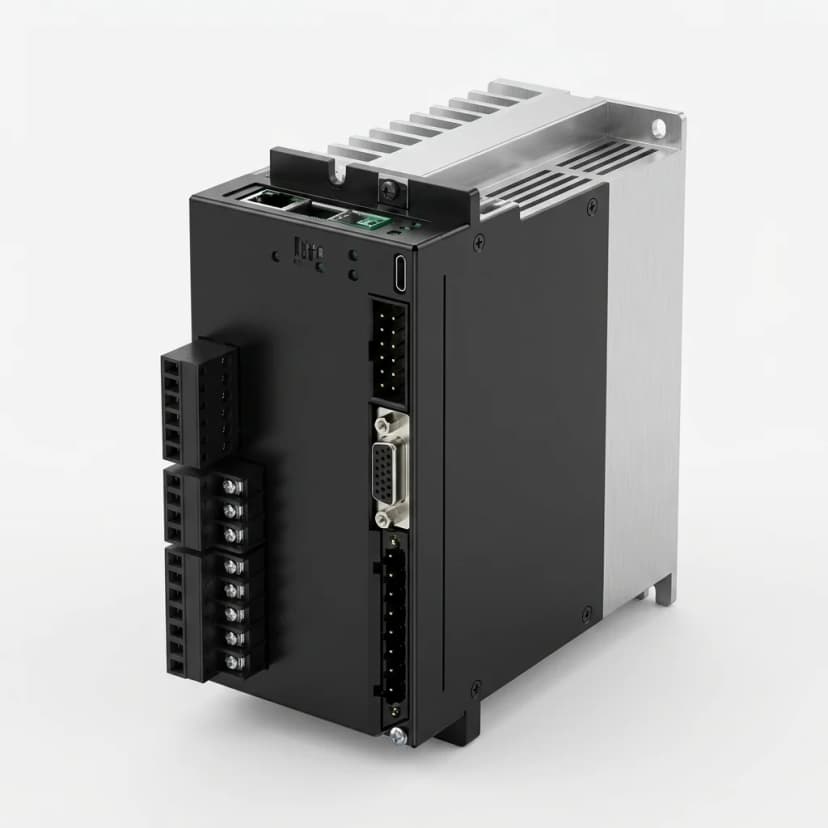
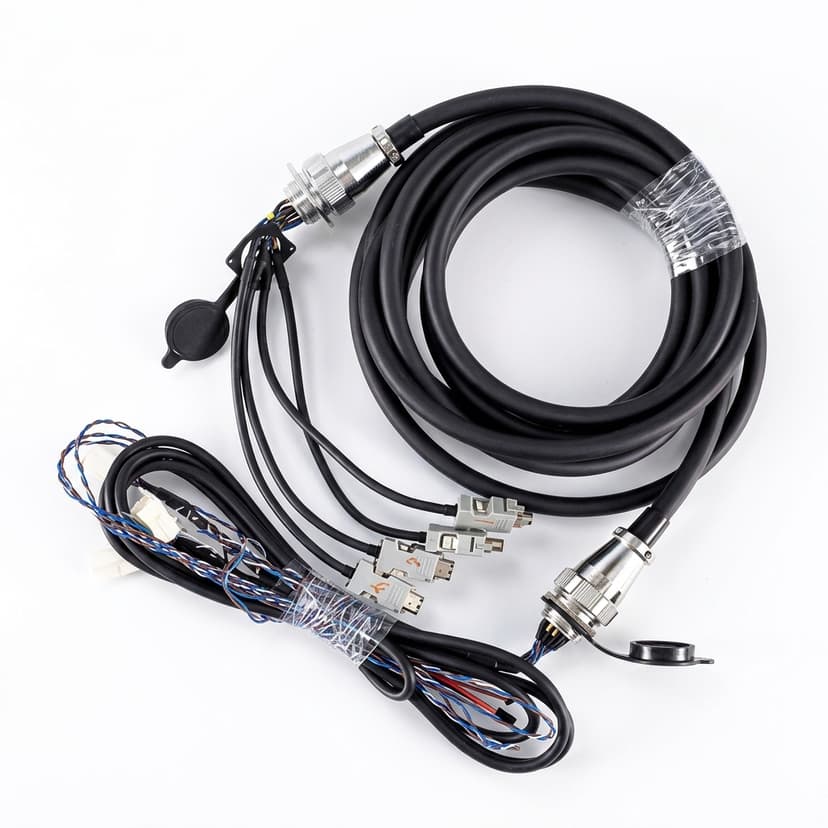
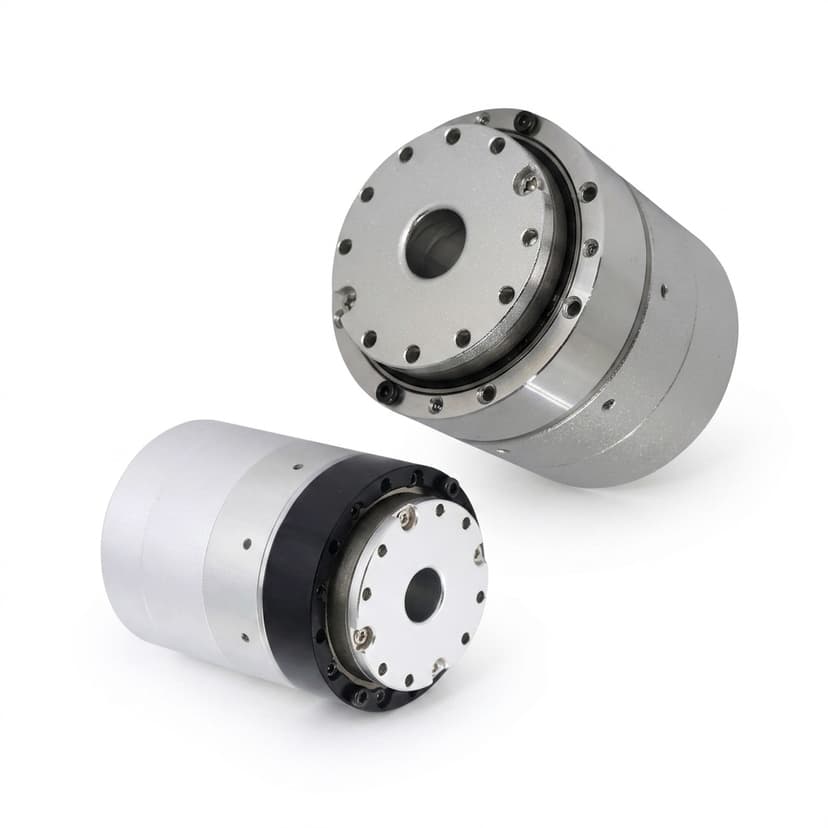
Current site images are reference selection visuals for catalog navigation. They should not be treated as final factory photos, CAD drawings, test records, or lot-specific inspection documents. For shortlisted models, request the controlled packet tied to model code, drawing revision, test condition, and sample lot.
Reference visuals, product-family routes, RFQ class matrices, and validation checklists for early selection.
Controlled datasheet, drawing or CAD path, torque-speed or thermal record, wiring notes, and sample or OQC evidence.
Verified factory-floor photos, teardown images, and lot-specific test reports are not presented as public evidence until real project assets exist.
Start from the page that matches the buyer question, not from a generic product name. Each lane routes one sourcing situation to a primary product family and a related solution or OEM path.
Which actuator families should we compare across hip, knee, ankle, shoulder, elbow, wrist, and neck?
Use the broad catalog when the robot joint map is still being sized and multiple torque classes need a first pass.
Which modules should we evaluate for hip, knee, ankle, impact load, brake behavior, and thermal duty?
Leg buyers need continuous torque, overload duration, heat path, stiffness, and brake assumptions before ordering samples.
Which compact actuator modules fit upper-limb mass budget, smooth control, and short axial packaging?
Upper-limb buyers usually balance low mass, low-speed smoothness, backlash, protocol, and mirrored joint consistency.
Which actuator path is suitable for QDD tests, compliant contact, and low reflected inertia?
Force-control programs should screen reflected inertia, current bandwidth, torque ripple, protocol latency, and safety limits.
Which joint modules keep enough bore clearance for cable bundles, connectors, and repeated motion?
Cable-through axes need bore, flange, cable fatigue, connector placement, output bearing load, and backlash reviewed together.
Which driver, encoder, brake output, harness, and protocol assumptions should be matched with the actuator sample?
Bench bring-up is faster when current limit, firmware, protocol, encoder resolution, and pinout are treated as one kit.
Should we start from a frameless torque motor instead of a fully integrated joint module?
Custom actuator stacks need OD, ID, stack length, rotor inertia, thermal path, encoder space, and reducer coupling checked early.
Which standard rotary module should we benchmark before changing housing, harness, or interface details?
Integrated modules are the practical baseline for comparing reducer, bearing, encoder, brake, driver, and housing decisions.
Which linear actuator path fits fingers, thumbs, compact linkages, or high-force test fixtures?
Linear axes need stroke, force at speed, side load, backlash, holding behavior, noise, and end-stop behavior reviewed first.
Is the project ready for axial-flux, SMC stator segments, or 3D magnetic core validation?
Advanced motor-core work should be gated by material grade, loss model, cooling path, tooling DFM, and validation method.
These are representative pre-RFQ actuator classes for model shortlisting. Final sample specifications still need confirmation against your robot mass, duty cycle, thermal path, interface drawing, and validation plan.
Wrist, hand, neck, light ankle, compact lab axes, and early QDD experiments.
Elbow, shoulder, knee-light, ankle, waist, and mid-load prototype joints.
Hip, knee, heavy ankle, impact-tolerant leg joints, and high-load test rigs.
<50 Nm class
<50 Nm class
50-150 Nm class
>150 Nm class
<50 Nm class
50-150 Nm class
50-150 Nm class
<50 Nm class
50-150 Nm class
<50 Nm class
50-150 Nm class
<50 Nm class
| RFQ Class | Joint Fit | Output Window | Package / Bus | Validation Gate | RFQ Route |
|---|---|---|---|---|---|
| HRA-C40-QDD Compact QDD joint class <50 Nm class | QDD rotary module Wrist, neck, light ankle, compact lab axis | 2-4 Nm continuous 8-14 Nm peak 180-320 rpm output class | OD 40-50 mm / short axial package 24-48 V DC CAN / CAN FD / PWM options | Backdrivability, low-speed smoothness, current limit, and cable exit. | Start RFQ Compact Arm and Wrist Actuators |
| HRA-R55-ARM Compact harmonic arm joint class <50 Nm class | Integrated harmonic rotary module Elbow, shoulder-light, wrist pitch/yaw | 6-15 Nm continuous 25-45 Nm peak 40-120 rpm output class | OD 55-70 mm / hollow-shaft option 24-48 V DC CAN / EtherCAT options | Backlash, cable-through routing, arm mass budget, and mirrored joint consistency. | Start RFQ Compact Arm and Wrist Actuators |
| HRA-R70-KNEE Mid-load knee and ankle rotary class 50-150 Nm class | Integrated reducer rotary module Knee-light, ankle pitch/roll, waist, shoulder-heavy | 18-45 Nm continuous 80-150 Nm peak 20-80 rpm output class | OD 70-90 mm / reinforced output bearing 48-60 V DC CAN FD / EtherCAT options | Thermal rise, overload duration, backlash, brake behavior, and shock load. | Start RFQ High-Torque Leg Actuator Modules |
| HRA-R95-HIP Heavy hip actuator class >150 Nm class | High-torque integrated rotary module Hip pitch/roll/yaw, heavy knee, impact test rig | 60-120 Nm continuous 220-450 Nm peak 10-45 rpm output class | OD 95-140 mm / high moment-load support 48-72 V DC CAN FD / EtherCAT options | Continuous torque envelope, housing heat path, impact load, and bearing support. | Start RFQ High-Torque Leg Actuator Modules |
| HRA-FTM76-O 76 mm frameless outrunner class <50 Nm class | Frameless torque motor QDD wrist, ankle-light, shoulder-light, custom reducer input | 2.5-8 Nm continuous 10-28 Nm peak KV and winding dependent | OD 70-85 mm / ID and stack length by design 24-48 V DC Matched by driver | Thermal path, winding, rotor inertia, magnet retention, and encoder space. | Start RFQ Frameless Torque Motors |
| HRA-FTM110-O 110 mm high-torque frameless class 50-150 Nm class | Frameless torque motor Knee, hip-light, shoulder-heavy, low-ratio reducer input | 10-30 Nm continuous 50-120 Nm peak KV and thermal-path dependent | OD 100-125 mm / large ID option 48-60 V DC Matched by driver | Continuous torque, heat rejection, rotor inertia, and reducer coupling. | Start RFQ Frameless Torque Motors |
| HRA-HS80-CBL Hollow-shaft cable-through joint class 50-150 Nm class | Hollow-shaft rotary module Shoulder, elbow, waist, wrist cable-through axes | 20-55 Nm continuous 80-160 Nm peak 20-75 rpm output class | OD 80-110 mm / bore confirmed by cable bundle 48-60 V DC CAN FD / EtherCAT options | Bore size, cable fatigue, connector placement, backlash, and output bearing load. | Start RFQ Hollow-Shaft Joint Actuators |
| HRA-LA16-FINGER Micro linear finger actuator class <50 Nm class | Compact linear actuator Finger, thumb, small linkage, lab end-effector | 40-120 N force 180-300 N short duration 5-30 mm stroke class | Micro package / linkage dependent 12-24 V DC Driver dependent | Stroke, side load, backlash, noise, heat, and end-stop behavior. | Start RFQ Humanoid Linear Actuators |
| HRA-LA32-ROLLER Compact roller-screw actuator class 50-150 Nm class | Roller-screw linear actuator High-force linkage, test fixture, compact humanoid axis | 0.8-2.5 kN force 3-5 kN short duration 20-100 mm stroke class | OD 32-50 mm / package length by stroke 24-48 V DC CAN / RS485 / driver dependent | Force at speed, axial stiffness, side load, lubrication, and life-cycle duty. | Start RFQ Humanoid Linear Actuators |
| HRA-DRV48-CANFD 48 V controller and encoder kit class <50 Nm class | Controller and feedback kit Bench bring-up, multi-axis prototype, matched actuator kit | Current rating by actuator Peak current duration by thermal design Firmware and bus dependent | Board, encoder, brake, and harness package 24-60 V DC CAN FD / EtherCAT / RS485 options | Current limit, firmware, protocol latency, encoder resolution, and harness pinout. | Start RFQ Actuator Controller and Encoder Kits |
| HRA-AF80-SMC Axial-flux SMC prototype class 50-150 Nm class | Axial-flux motor prototype path Hip-light, knee R&D, compact high-torque demonstrator | Project-specific torque target Project-specific overload target Magnetic design dependent | Short axial package / OD by torque goal 48-72 V DC target range Matched by inverter and test plan | SMC grade, loss model, cooling path, torque density, and manufacturable core geometry. | Start RFQ Axial Flux and SMC Solutions |
| HRA-SMC-SEG SMC stator segment and 3D core class <50 Nm class | SMC magnetic core component Advanced motor core validation and material trials | Magnetic property target Validation sample target Frequency and loss model dependent | Net-shape 3D core geometry Not applicable Not applicable | Density, permeability, core loss, insulation, heat treatment, tolerance, and traceability. | Start RFQ Axial Flux and SMC Solutions |
Use this routing table to decide whether the next action should be product comparison, mechanical review, document request, or sample PO preparation. It keeps the first inquiry focused on evidence that affects sample selection.
| Readiness State | Buyer Has | Route To | Document Action | Risk If Missing |
|---|---|---|---|---|
| Search and broad shortlist | Target joint map, rough robot mass, torque class, and sample timing. | Catalog and product family cards | Build a first shortlist by joint position, torque window, voltage, and control protocol. | The RFQ may become a generic request and return mismatched actuator families. |
| Mechanical fit check | Outer diameter, axial length, bore, flange, output interface, cable exit, and connector space. | Product detail evidence path | Attach CAD envelope or annotated drawing before asking for sample release. | A technically suitable actuator may fail because it cannot mount inside the joint shell. |
| Duty and control check | Continuous torque, peak torque, output speed, overload duration, duty cycle, bus voltage, protocol, encoder, and brake need. | RFQ class matrix | Map the duty cycle and control stack to a candidate RFQ class before price comparison. | Peak torque can look acceptable while thermal behavior, current limits, or protocol latency fail in tests. |
| Document request | Company identity, project purpose, target sample quantity, NDA status, and required document list. | Contact / RFQ center | Request drawings, pinout, protocol notes, validation reports, and available sample boundaries with context. | Sensitive drawings or incomplete revision data may be delayed until the request is qualified. |
| Sample PO decision | Acceptance gates for mechanical fit, thermal rise, backlash, brake behavior, encoder repeatability, and bench bring-up. | Fast sample and pilot supply | Freeze the sample configuration, inspection points, and pilot follow-up assumptions before purchase. | The first sample may arrive without a clear pass/fail plan, slowing the next engineering decision. |
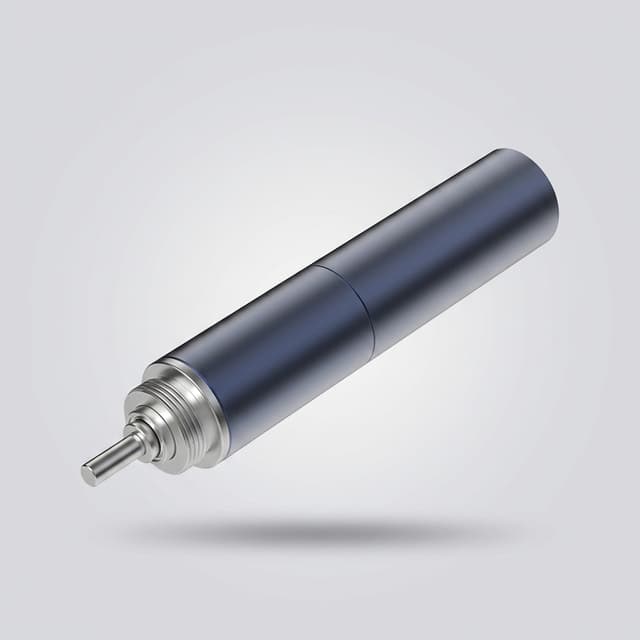
A catalog-style sourcing page for standard humanoid robot actuators, joint modules, and sample-ready configurations across arm, leg, wrist, ankle, and torso joints.
Best for robotics teams comparing multiple actuator sizes and buying first samples for concept validation.
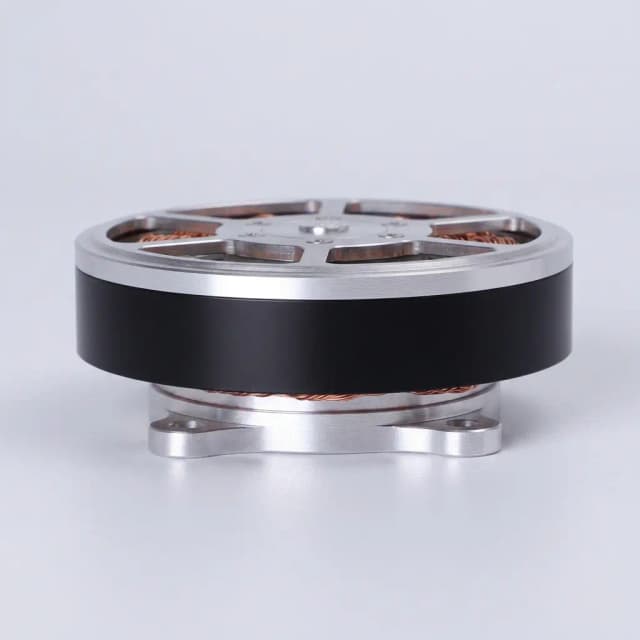
High-torque humanoid leg actuator modules for hip, knee, and ankle joints where load capacity, impact tolerance, braking, and thermal repeatability matter.
For teams designing bipedal legs that need stronger samples than hobby servo motors but are not ready for a fully bespoke actuator.
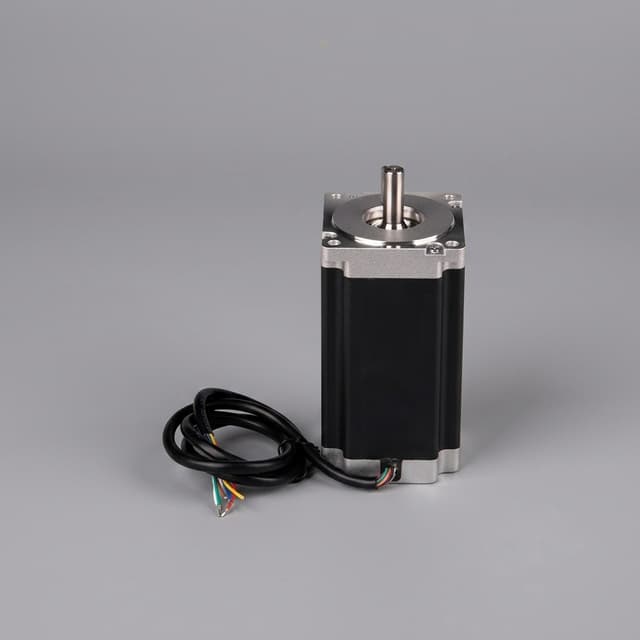
Compact humanoid arm, elbow, wrist, neck, and torso actuator sourcing for lightweight joints that need smooth control, low mass, and short lead time.
For humanoid robot teams that need compact upper-body actuators for prototype arms, hands, and perception head modules.
Quasi-direct-drive actuator options for humanoid robots that need backdrivable motion, high torque density, and better force-control behavior than high-ratio gearboxes.
For robotics teams comparing QDD actuators against harmonic, planetary, or cycloidal reducer modules.
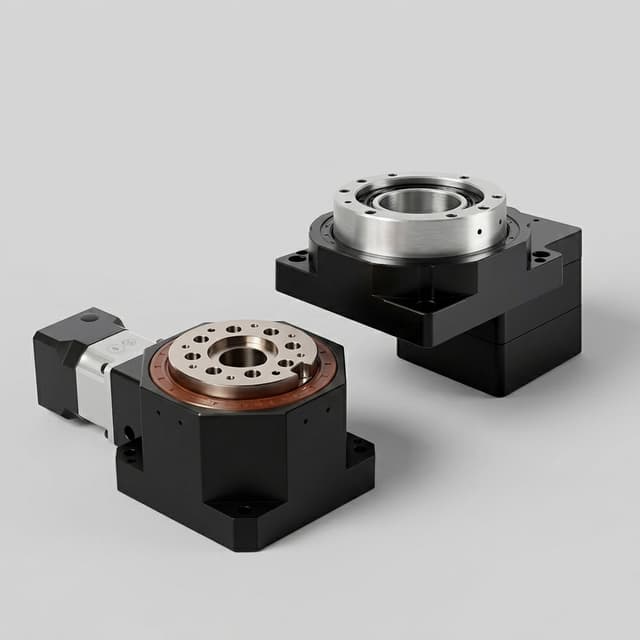
Hollow-shaft humanoid joint actuators for cable-through routing, compact wiring, and cleaner multi-axis integration inside arms, wrists, ankles, and torso modules.
For robotics teams whose main integration problem is routing cables through a rotating joint without adding external cable loops.
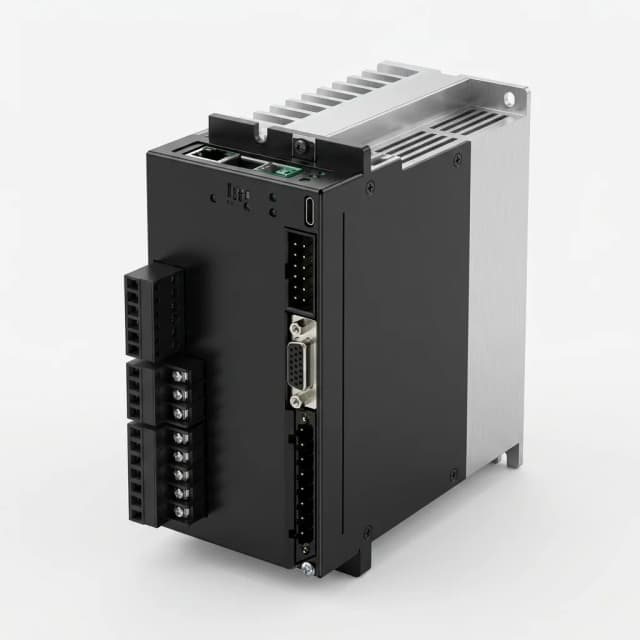
Matched controller, encoder, brake, and harness kits for humanoid robot actuators so prototype teams can avoid mismatched motor-driver integration loops.
For engineering teams that do not want to design a driver stack before basic actuator mechanics are validated.
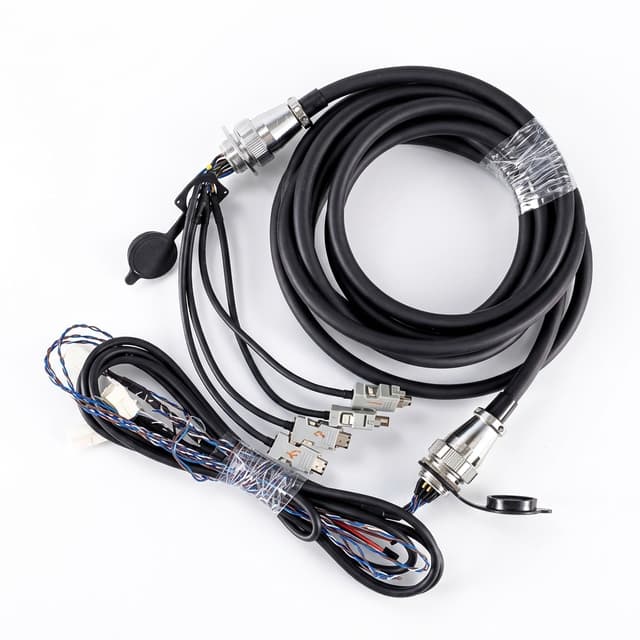
Frameless torque motor stator and rotor sets for humanoid robot joints where teams need high torque density, low dead weight, and direct integration into a custom mechanical housing.
For robotics teams designing their own actuator housing or reducer stack but needing a proven motor core class before custom tooling.
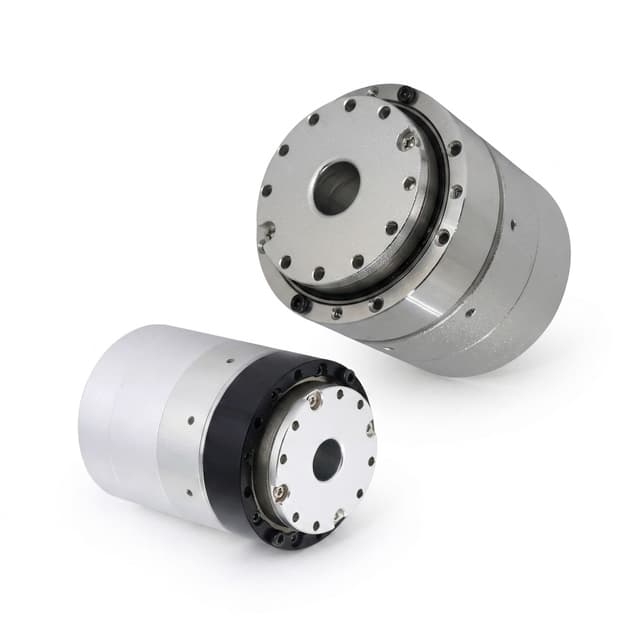
Integrated rotary joint modules for humanoid hips, knees, ankles, shoulders, and elbows that combine motor, reducer, encoder, brake, driver, bearing support, and harness planning.
For teams that want a working joint module faster than designing each actuator stack component separately.
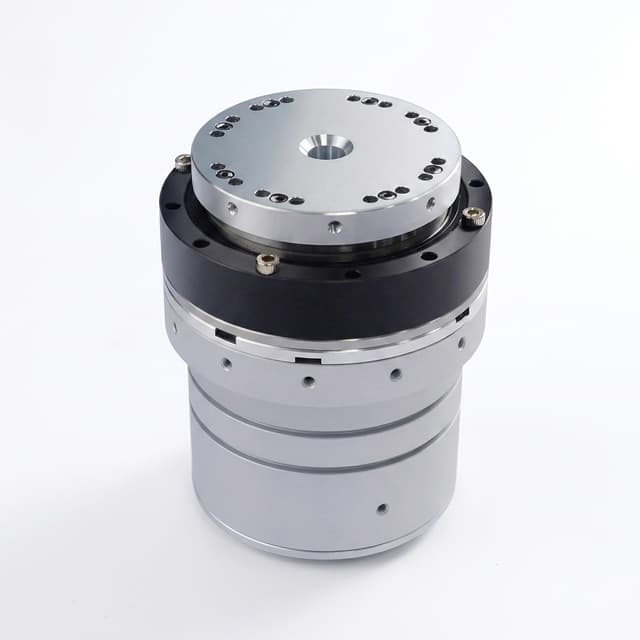
Linear actuator and roller-screw motion options for humanoid robot hands, fingers, compact linkages, test fixtures, and high-force packaging cases where rotary modules are not the best fit.
For teams that need controlled force or stroke in a constrained package and cannot solve the axis cleanly with a rotary joint alone.
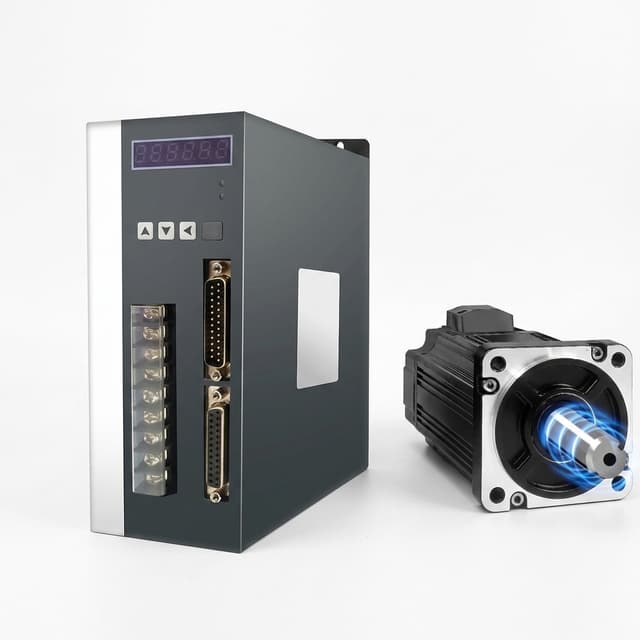
Axial-flux motor and soft magnetic composite sourcing support for humanoid actuator teams exploring high torque density, compact axial length, and net-shape 3D magnetic core prototypes.
For advanced actuator teams that are evaluating axial-flux or SMC core options before committing to expensive tooling and validation programs.
The product family choice should follow the evidence axis that is currently uncertain. This makes the catalog useful for robotics teams that are still comparing architecture, torque duty, envelope, controller stack, documents, and sample validation.
| Axis | Compare | Evidence Needed | Best Next Page |
|---|---|---|---|
| Architecture | QDD, integrated harmonic, hollow-shaft rotary module, frameless motor stack, linear actuator, or axial-flux R&D path. | Joint goal, reducer assumption, backdrivability target, stiffness target, and integration ownership. | Humanoid Robot Actuator Catalog |
| Torque and duty class | <50 Nm compact axes, 50-150 Nm mid-load joints, and >150 Nm load-bearing leg joints. | Continuous torque, peak torque, overload duration, output speed, ambient condition, and thermal path. | High-Torque Leg Actuator Modules |
| Mechanical envelope | OD, axial length, bore, flange, output interface, bearing support, connector location, and cable exit. | CAD envelope, cable bundle diameter, mounting drawing, allowable mass, and housing heat path. | Hollow-Shaft Joint Actuators |
| Control stack | Bus voltage, current limit, CAN, CAN FD, EtherCAT, RS485, PWM, encoder type, brake output, and harness pinout. | Controller preference, firmware assumptions, protocol latency target, safety behavior, and bench test setup. | Actuator Controller and Encoder Kits |
| Document readiness | Datasheet, drawing, pinout, protocol notes, inspection record, validation report, and revision control. | Project purpose, NDA status, expected sample quantity, destination, target date, and requested document packet. | Contact / RFQ |
| Sample validation | Mechanical fit, thermal rise, low-speed smoothness, backlash, brake release, encoder repeatability, and repeated motion. | Pass/fail gates, fixture plan, load case, duty cycle, and pilot batch decision criteria. | Fast Sample and Pilot Supply |
| Product Family | Primary Buyer Focus | Key Metric | Why It Matters |
|---|---|---|---|
| Humanoid Robot Actuator Catalog | Best for robotics teams comparing multiple actuator sizes and buying first samples for concept validation. | Torque class coverage: Finger to hip-class joints | A catalog buyer needs to compare multiple joint levels before the robot architecture is finalized. |
| High-Torque Leg Actuator Modules | For teams designing bipedal legs that need stronger samples than hobby servo motors but are not ready for a fully bespoke actuator. | Peak torque: Joint and robot-mass dependent | Leg joints see short overload events that can be much higher than steady walking torque. |
| Compact Arm and Wrist Actuators | For humanoid robot teams that need compact upper-body actuators for prototype arms, hands, and perception head modules. | Actuator mass: Upper-body joint dependent | Arm mass compounds across shoulder, elbow, wrist, and end-effector payload calculations. |
| QDD Humanoid Robot Actuators | For robotics teams comparing QDD actuators against harmonic, planetary, or cycloidal reducer modules. | Backdrivability: Architecture and reduction-ratio dependent | Humanoid force control and impact response require different tradeoffs than rigid industrial robot joints. |
| Hollow-Shaft Joint Actuators | For robotics teams whose main integration problem is routing cables through a rotating joint without adding external cable loops. | Through-hole diameter: Model dependent | Cable-through routing is the main reason to select a hollow-shaft actuator. |
| Actuator Controller and Encoder Kits | For engineering teams that do not want to design a driver stack before basic actuator mechanics are validated. | Bus voltage: 24 V, 48 V, or 60 V DC | Humanoid prototypes usually run from low-voltage battery systems rather than industrial AC servo drives. |
| Frameless Torque Motors | For robotics teams designing their own actuator housing or reducer stack but needing a proven motor core class before custom tooling. | Outer diameter: 40-160 mm RFQ classes | Torque scaling is often driven more efficiently by diameter than by forcing current into a small package. |
| Highly Integrated Rotary Modules | For teams that want a working joint module faster than designing each actuator stack component separately. | Continuous / peak torque split: <50, 50-150, and >150 Nm classes | Humanoid teams need to avoid choosing from attractive peak torque numbers that cannot survive gait duty. |
| Humanoid Linear Actuators | For teams that need controlled force or stroke in a constrained package and cannot solve the axis cleanly with a rotary joint alone. | Rated force: Micro to high-force roller-screw classes | Hand, finger, and linkage axes are often force-limited before they are torque-limited. |
| Axial Flux and SMC Solutions | For advanced actuator teams that are evaluating axial-flux or SMC core options before committing to expensive tooling and validation programs. | Axial package length: Project-specific | Axial-flux architectures are attractive when the joint needs high torque density in a short axial envelope. |
A selection of humanoid actuator modules, controller boards, encoders, reducers, and motor components used for early model comparison.
Inquiry Email
Subject: Product Selection Inquiry - Humanoid Robot Actuators
This inquiry starts from the catalog. Use the RFQ center to turn a broad shortlist into a candidate RFQ class, document request, and sample validation gate.
Instant Chat
+8618857971991
Best for quick model-fit questions before a full RFQ email.