
Selection breadth
- Typical Range
- Multiple actuator families per joint group
- Buyer Relevance
- Prototype teams need options because the final robot architecture often changes after the first tests.
A sourcing path for humanoid robot teams that need several actuator sizes quickly for prototype trials, bench testing, and first walking or manipulation experiments.
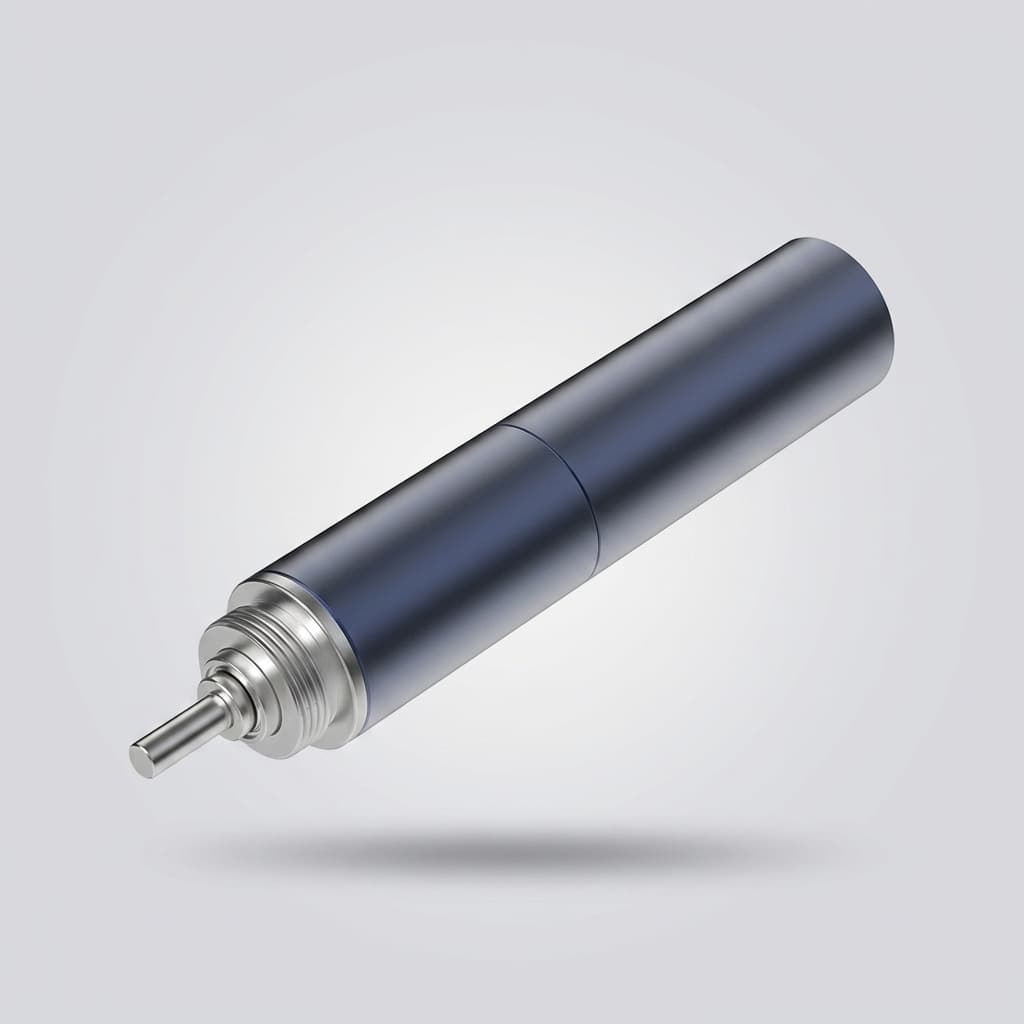
Reference visual for selection context. Confirm controlled drawings, CAD path, and test records for shortlisted models.
Engineering Asset Status
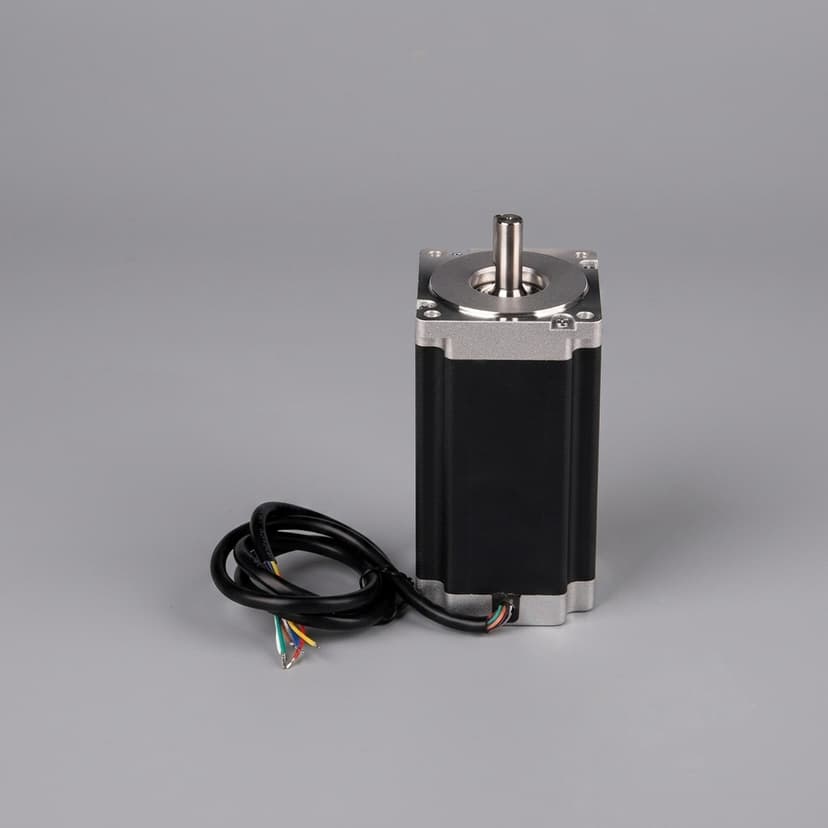
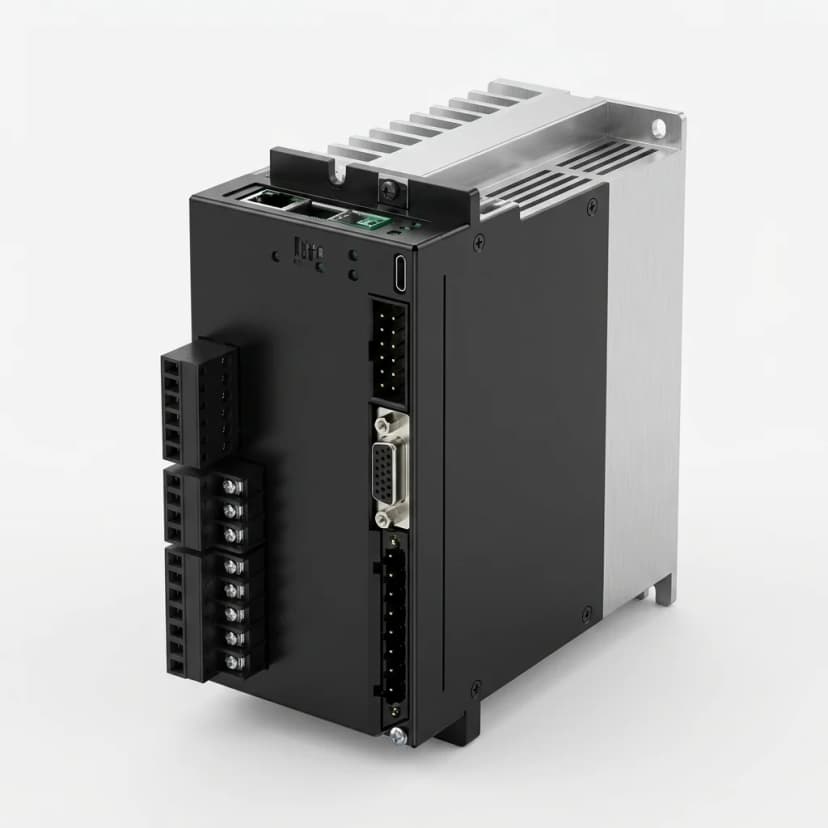
Current site images are reference selection visuals for catalog navigation. They should not be treated as final factory photos, CAD drawings, test records, or lot-specific inspection documents. For shortlisted models, request the controlled packet tied to model code, drawing revision, test condition, and sample lot.
Reference visuals, product-family routes, RFQ class matrices, and validation checklists for early selection.
Controlled datasheet, drawing or CAD path, torque-speed or thermal record, wiring notes, and sample or OQC evidence.
Verified factory-floor photos, teardown images, and lot-specific test reports are not presented as public evidence until real project assets exist.
| Evaluation Metric | Typical Range | Buyer Relevance |
|---|---|---|
| Selection breadth | Multiple actuator families per joint group | Prototype teams need options because the final robot architecture often changes after the first tests. |
| Quote speed | Best with complete joint-map data | A clean joint map reduces clarification cycles and speeds sample purchasing. |
This map turns the solution context into concrete document requests. Use it to decide which records, interface details, and sample checks should be available before moving from shortlist to PO, sample testing, or pilot planning.
| Validation Focus | Buyer Risk | Documents to Request | Test Record | Interface Input | Go / No-Go Signal |
|---|---|---|---|---|---|
| Whole-robot joint map | The team buys scattered impressive samples that do not fit a coherent humanoid architecture. | Model summary by joint group, actuator class shortlist, accessory boundary, and available sample variants. | Early samples usually need outgoing inspection notes and basic bench bring-up records before deeper testing. | Robot mass, height, payload, joint list, rough torque-speed estimates, voltage, and control stack. | Major joint groups have a defensible first model family and backup option before PO release. |
| Fast sample bring-up | Samples arrive without compatible controller, encoder, harness, or protocol information. | Datasheet, accessory list, wiring or pinout note, controller match, brake option, and protocol note. | Bench power-up note, current-limit assumption, encoder readout check, and basic no-load operation note. | Available lab power supply, bus voltage, communication interface, software stack, and safety limits. | The buyer can run a controlled bench test without sourcing missing integration parts after delivery. |
| Prototype-to-pilot traceability | The accepted sample configuration changes before the next robot build and forces requalification. | Revision ID, firmware or driver boundary, connector and harness baseline, and sample acceptance checklist. | Outgoing inspection record type and any revision-change note tied to the shipped sample batch. | Expected sample quantity, pilot quantity, delivery sequence, and which robot build will receive the units. | Sample and pilot discussions reference the same configuration baseline and documented exceptions. |
These standard classes give buyer teams a practical starting point for samples, fixture planning, and engineering quotation scope before custom interfaces are frozen.
Compact QDD joint class
Wrist, neck, light ankle, compact lab axis
<50 Nm class
2-4 Nm continuous
8-14 Nm peak
180-320 rpm output class
CAN / CAN FD / PWM options
Absolute magnetic encoder
Optional holding brake
Fast sample shortlist
Backdrivability, low-speed smoothness, current limit, and cable exit.
Mid-load knee and ankle rotary class
Knee-light, ankle pitch/roll, waist, shoulder-heavy
50-150 Nm class
18-45 Nm continuous
80-150 Nm peak
20-80 rpm output class
CAN FD / EtherCAT options
Dual encoder preferred
Brake recommended for leg axes
Shortlist after robot mass and duty cycle
Thermal rise, overload duration, backlash, brake behavior, and shock load.
Heavy hip actuator class
Hip pitch/roll/yaw, heavy knee, impact test rig
>150 Nm class
60-120 Nm continuous
220-450 Nm peak
10-45 rpm output class
CAN FD / EtherCAT options
Dual encoder plus torque feedback option
Brake and emergency behavior required
Engineering review before sample release
Continuous torque envelope, housing heat path, impact load, and bearing support.
Micro linear finger actuator class
Finger, thumb, small linkage, lab end-effector
<50 Nm class
40-120 N force
180-300 N short duration
5-30 mm stroke class
Driver dependent
Position feedback or limit sensing
Self-locking or holding-force review
Mechanism review before sample selection
Stroke, side load, backlash, noise, heat, and end-stop behavior.
48 V controller and encoder kit class
Bench bring-up, multi-axis prototype, matched actuator kit
<50 Nm class
Current rating by actuator
Peak current duration by thermal design
Firmware and bus dependent
CAN FD / EtherCAT / RS485 options
Absolute encoder, incremental encoder, or dual feedback
Brake output optional
Matched with selected actuator class
Current limit, firmware, protocol latency, encoder resolution, and harness pinout.
Axial-flux SMC prototype class
Hip-light, knee R&D, compact high-torque demonstrator
50-150 Nm class
Project-specific torque target
Project-specific overload target
Magnetic design dependent
Matched by inverter and test plan
Resolver or absolute encoder review
External brake if required
Concept review before tooling commitment
SMC grade, loss model, cooling path, torque density, and manufacturable core geometry.
| RFQ Class | Product Family | Output Window | Integration Focus | Validation Gate |
|---|---|---|---|---|
HRA-C40-QDD Compact QDD joint class | Humanoid Robot Actuator Catalog Wrist, neck, light ankle, compact lab axis | <50 Nm class 2-4 Nm continuous 8-14 Nm peak 180-320 rpm output class | CAN / CAN FD / PWM options Absolute magnetic encoder Optional holding brake | Fast sample shortlist Backdrivability, low-speed smoothness, current limit, and cable exit. |
HRA-R70-KNEE Mid-load knee and ankle rotary class | Humanoid Robot Actuator Catalog Knee-light, ankle pitch/roll, waist, shoulder-heavy | 50-150 Nm class 18-45 Nm continuous 80-150 Nm peak 20-80 rpm output class | CAN FD / EtherCAT options Dual encoder preferred Brake recommended for leg axes | Shortlist after robot mass and duty cycle Thermal rise, overload duration, backlash, brake behavior, and shock load. |
HRA-R95-HIP Heavy hip actuator class | Humanoid Robot Actuator Catalog Hip pitch/roll/yaw, heavy knee, impact test rig | >150 Nm class 60-120 Nm continuous 220-450 Nm peak 10-45 rpm output class | CAN FD / EtherCAT options Dual encoder plus torque feedback option Brake and emergency behavior required | Engineering review before sample release Continuous torque envelope, housing heat path, impact load, and bearing support. |
HRA-LA16-FINGER Micro linear finger actuator class | Humanoid Robot Actuator Catalog Finger, thumb, small linkage, lab end-effector | <50 Nm class 40-120 N force 180-300 N short duration 5-30 mm stroke class | Driver dependent Position feedback or limit sensing Self-locking or holding-force review | Mechanism review before sample selection Stroke, side load, backlash, noise, heat, and end-stop behavior. |
HRA-DRV48-CANFD 48 V controller and encoder kit class | Humanoid Robot Actuator Catalog Bench bring-up, multi-axis prototype, matched actuator kit | <50 Nm class Current rating by actuator Peak current duration by thermal design Firmware and bus dependent | CAN FD / EtherCAT / RS485 options Absolute encoder, incremental encoder, or dual feedback Brake output optional | Matched with selected actuator class Current limit, firmware, protocol latency, encoder resolution, and harness pinout. |
HRA-AF80-SMC Axial-flux SMC prototype class | Humanoid Robot Actuator Catalog Hip-light, knee R&D, compact high-torque demonstrator | 50-150 Nm class Project-specific torque target Project-specific overload target Magnetic design dependent | Matched by inverter and test plan Resolver or absolute encoder review External brake if required | Concept review before tooling commitment SMC grade, loss model, cooling path, torque density, and manufacturable core geometry. |
Yes. Send the joint map, robot mass, and control constraints, then we can shortlist catalog models by joint group.
Procurement guide
Use the procurement guide when this solution context needs joint mapping, load-case evidence, sample timing, and buyer-side validation gates before supplier review.
A buyer-side guide for pre-modular humanoid actuator sourcing: selection risk, evidence requests, sample readiness, and pilot supply controls.
Next sourcing step
02 Application validation
After the application risk is mapped, move accepted load cases into sample quantity, controlled-document purpose, revision baseline, and pilot handoff planning.
Inquiry Email
Subject: Solution Inquiry - Humanoid Prototype Actuator Sourcing
This inquiry started from an application page. Keep the request anchored to the robot scenario, validation risk, and candidate actuator path. Source context: Humanoid Prototype Actuator Sourcing.
Instant Chat
+8618857971991
Best for quick model-fit questions before a full RFQ email.