
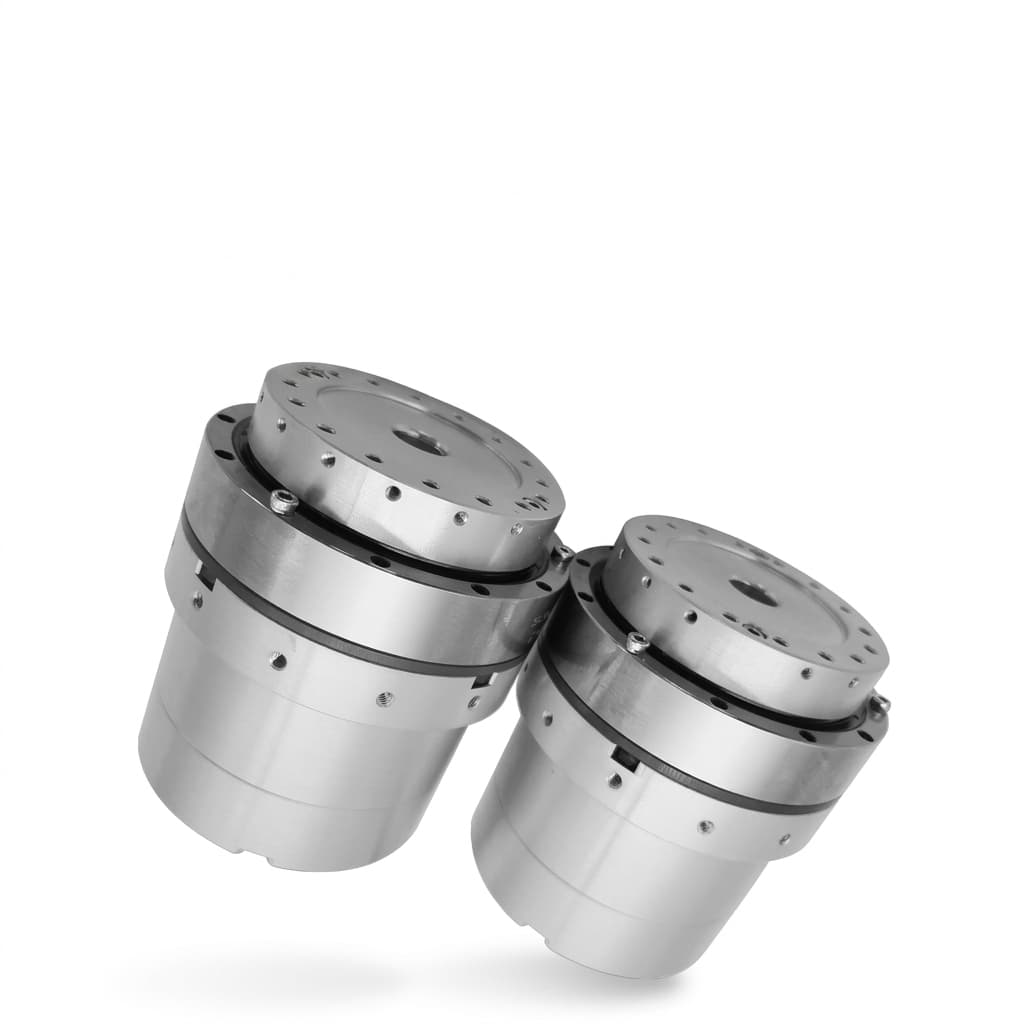
Choose product family, torque or force window, interfaces, and document request scope.
Humanoid actuator catalog and RFQ desk
Humanoid Robot Actuator Catalog for Fast Prototype Sourcing
Compare standard actuator families for hips, knees, ankles, arms, wrists, and torso joints. Start with available samples, then adapt interfaces, harnesses, drivers, and BOM details after the baseline model is proven.
Inquiry Email
Subject: Product Selection Inquiry - Humanoid Robot Actuators
This inquiry starts from the catalog. Use the RFQ center to turn a broad shortlist into a candidate RFQ class, document request, and sample validation gate.
Instant Chat
+8618857971991
Best for quick model-fit questions before a full RFQ email.
01Architecture fit
02Evidence review
03Sample release
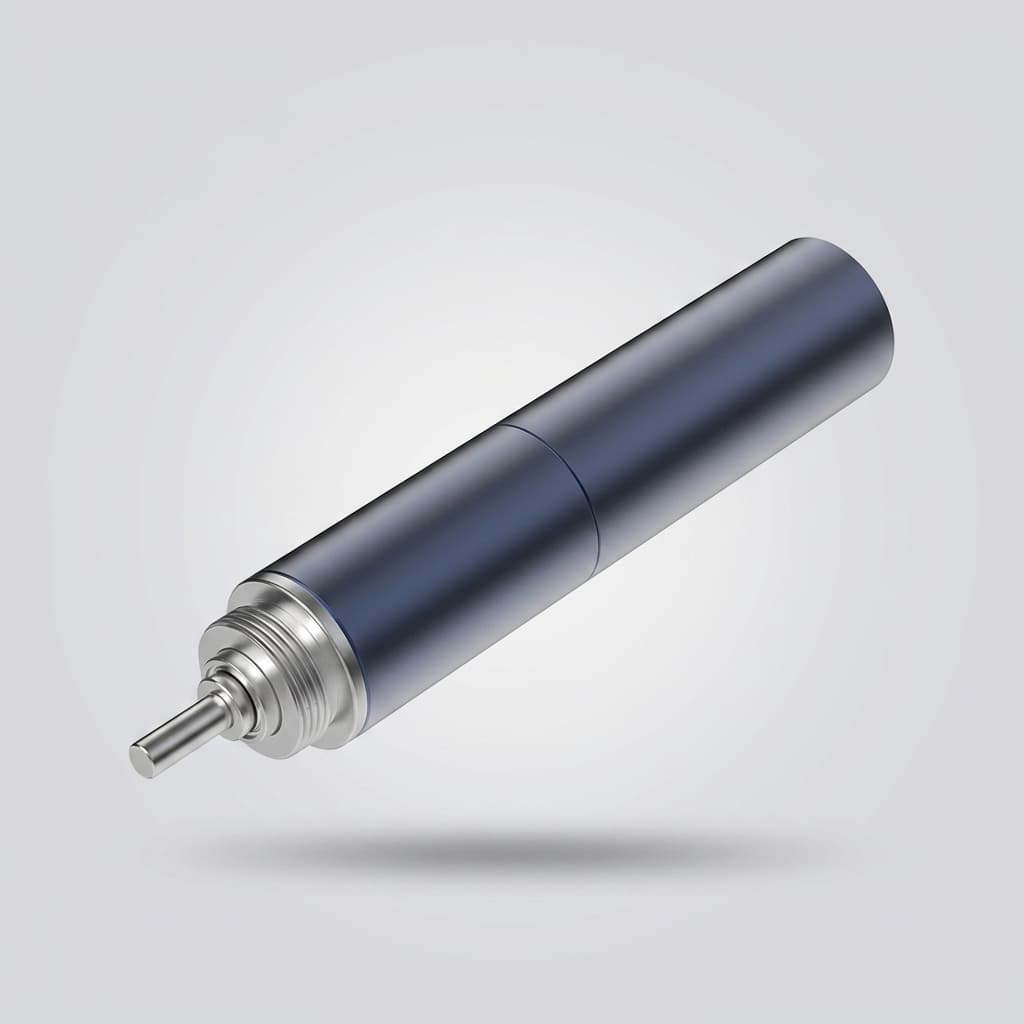
Reference catalog visual. Request model-specific drawings, CAD path, and sample records before treating any image as project evidence.
Catalog shortlist
Shortlist actuator families by joint, torque class, voltage, reducer, encoder, and protocol.
Open productsApplication validation
Validate load cases, sample gates, integration risk, and evidence needed before release.
Open solutionsOEM sample execution
Move into sample quantity, NDA scope, revision control, pilot supply, and repeat-order handoff.
Open OEMSourcing stages
Choose the right sourcing path before RFQ
Start with product families, validate application risk, then move into OEM sample execution only after the evidence package is clear.
Map joint loads, sample gates, application risks, and candidate actuator evidence.
Align sample quantity, NDA boundary, revision control, pilot supply, and repeat-order handoff.
Product Visual Index
Product Families Buyers Usually Compare First
Use the visual index as a quick orientation layer before moving into torque, envelope, protocol, and sample evidence comparisons.
 High-Torque Leg Actuator ModulesFor teams designing bipedal legs that need stronger samples than hobby servo motors but are not ready for a fully bespoke actuator.Open product family →
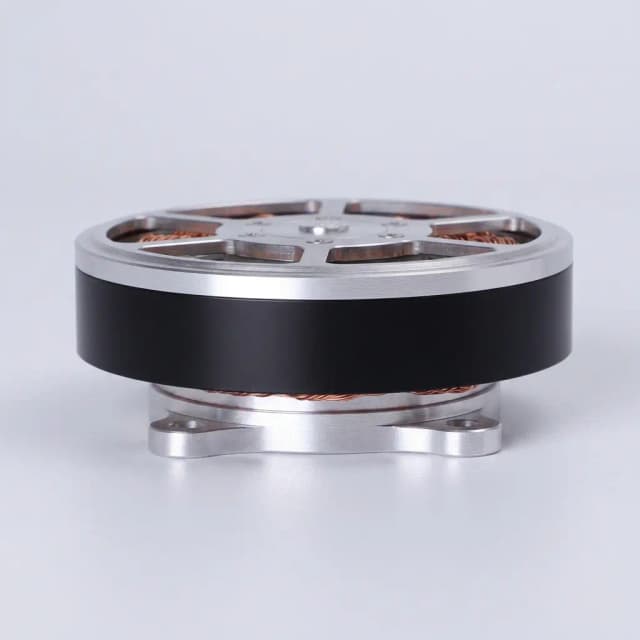
 Compact Arm and Wrist ActuatorsFor humanoid robot teams that need compact upper-body actuators for prototype arms, hands, and perception head modules.Open product family →
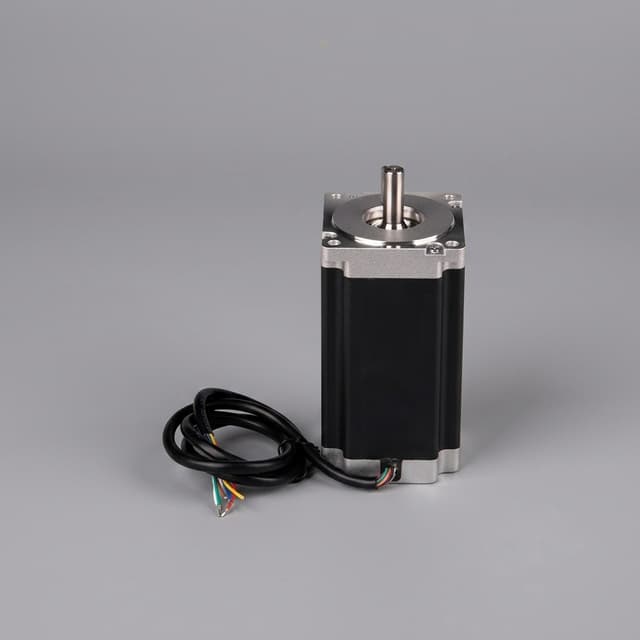
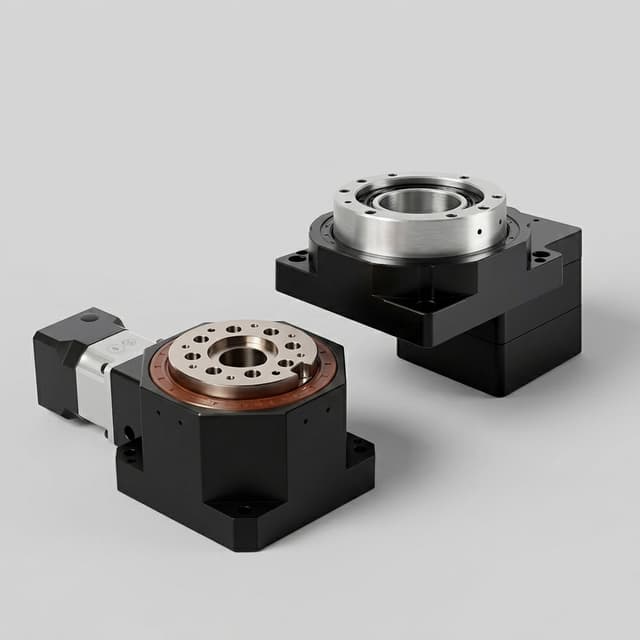 Hollow-Shaft Joint ActuatorsFor robotics teams whose main integration problem is routing cables through a rotating joint without adding external cable loops.Open product family →
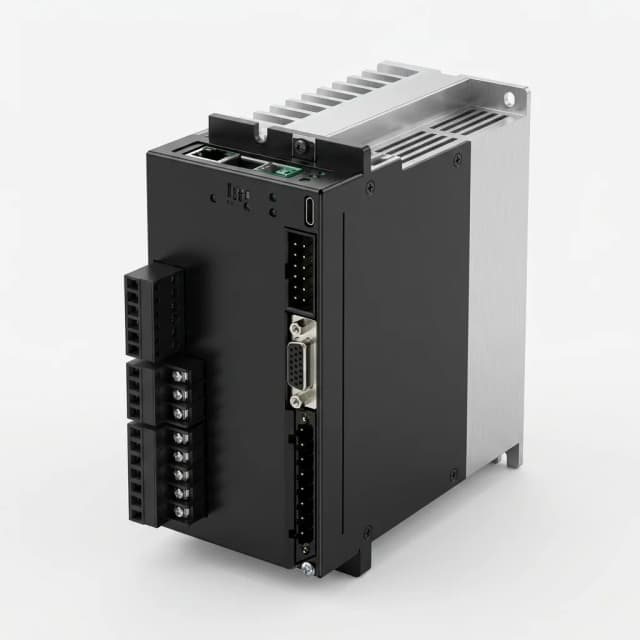 Actuator Controller and Encoder KitsFor engineering teams that do not want to design a driver stack before basic actuator mechanics are validated.Open product family →
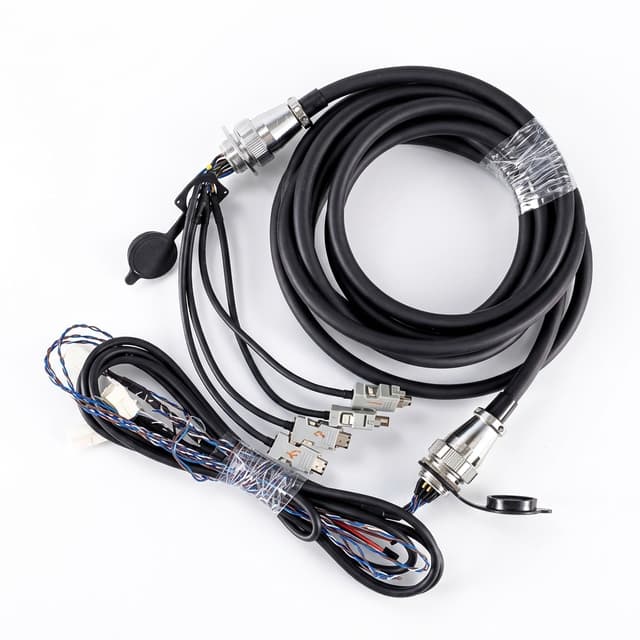 Frameless Torque MotorsFor robotics teams designing their own actuator housing or reducer stack but needing a proven motor core class before custom tooling.Open product family →
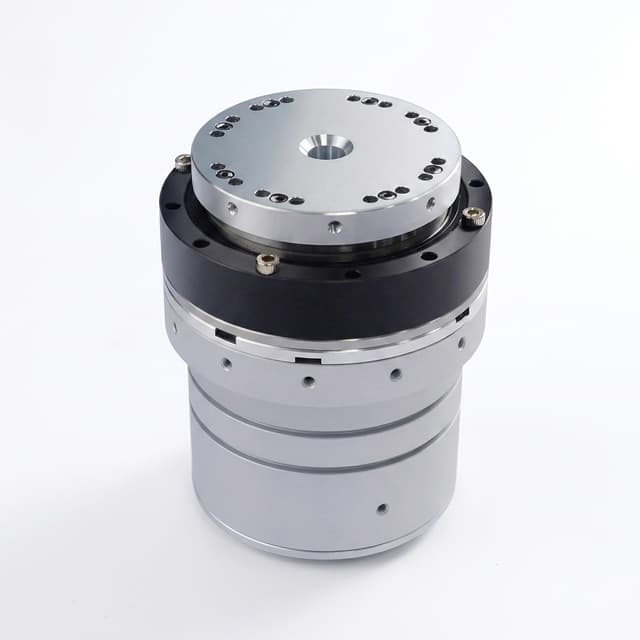 Humanoid Linear ActuatorsFor teams that need controlled force or stroke in a constrained package and cannot solve the axis cleanly with a rotary joint alone.Open product family →
Reference visuals for catalog orientation only. Confirm controlled drawings, CAD path, and sample records before treating any image as project evidence.
Sourcing Capability Highlights
Built for Humanoid Robot Hardware Teams
A catalog-first sourcing path for teams that need practical actuator samples before final custom engineering.
01
Broad Actuator Catalog
Compare compact arm, wrist, neck, torso, hip, knee, ankle, QDD, hollow-shaft, and controller-ready actuator families.
Selection evidenceReview path
02
Sample-First RFQ Flow
Shortlist standard models by joint map, torque-speed class, voltage, protocol, encoder, brake, and available lead time.
Selection evidenceReview path
03
Actuator Stack Matching
Coordinate motor, reducer, encoder, driver, brake, harness, connector, and mechanical interface as one practical sourcing package.
Selection evidenceReview path
04
Pilot and OEM Support
Move from first samples to pilot batches with revision control, interface customization, packaging, and global delivery planning.
Selection evidenceReview path
Catalog Scope Snapshot
Humanoid Robot Actuator Focus
Quick view of the product range and RFQ support model.
10+ Series
Actuator Families
OEM / ODM
Standard plus OEM
RFQ in 24h
RFQ Response
Market Demand
From Humanoid Actuator Search to RFQ-Ready Evidence
Humanoid actuator buyers usually arrive before their design is fully frozen. The site is structured to turn that early search into a practical path: compare standard families, validate application risk, qualify supplier execution, then send a complete inquiry package.
- Demand Signal
- Humanoid teams are still comparing actuator architectures
- Buyer Implication
- The first search usually starts from product family, joint class, torque window, and sample availability instead of a final custom drawing.
- How This Site Answers
- Catalog-first product pages group rotary modules, QDD joints, frameless motors, linear actuators, controllers, and SMC paths.
- Next Page
- Open path
- Demand Signal
- Prototype orders can become multi-axis sample and pilot demand
- Buyer Implication
- A small first PO still needs revision traceability, accessory planning, and validation gates because the same hardware may shape later builds.
- How This Site Answers
- Solutions pages map application risks to sample checks, document requests, and go/no-go signals before pilot planning.
- Next Page
- Open path
- Demand Signal
- Actuator performance claims are hard to trust without evidence
- Buyer Implication
- Engineers need continuous torque, thermal, backlash, brake, encoder, protocol, and interface evidence rather than peak-torque marketing.
- How This Site Answers
- OEM capability pages explain model selection, sample supply, interface control, BOM integration, and quality record expectations.
- Next Page
- Open path
- Demand Signal
- Advanced motor-core work creates high-value R&D inquiries
- Buyer Implication
- Axial-flux and SMC projects need concept validation, material assumptions, tooling DFM, and magnetic test planning before committing to tooling.
- How This Site Answers
- The Axial Flux & SMC product path separates prototype motor-core discussion from standard actuator sample buying.
- Next Page
- Open path
- Demand Signal
- Cross-border hardware sourcing depends on clear RFQ inputs
- Buyer Implication
- Without joint maps, controlled document purpose, NDA status, delivery stage, and acceptance criteria, quote loops slow the project.
- How This Site Answers
- The Contact / RFQ center tells buyers exactly what to send and how controlled datasheets, CAD, and validation records are requested.
- Next Page
- Open path
| Demand Signal | Buyer Implication | How This Site Answers | Next Page |
|---|---|---|---|
| Humanoid teams are still comparing actuator architectures | The first search usually starts from product family, joint class, torque window, and sample availability instead of a final custom drawing. | Catalog-first product pages group rotary modules, QDD joints, frameless motors, linear actuators, controllers, and SMC paths. | Open path |
| Prototype orders can become multi-axis sample and pilot demand | A small first PO still needs revision traceability, accessory planning, and validation gates because the same hardware may shape later builds. | Solutions pages map application risks to sample checks, document requests, and go/no-go signals before pilot planning. | Open path |
| Actuator performance claims are hard to trust without evidence | Engineers need continuous torque, thermal, backlash, brake, encoder, protocol, and interface evidence rather than peak-torque marketing. | OEM capability pages explain model selection, sample supply, interface control, BOM integration, and quality record expectations. | Open path |
| Advanced motor-core work creates high-value R&D inquiries | Axial-flux and SMC projects need concept validation, material assumptions, tooling DFM, and magnetic test planning before committing to tooling. | The Axial Flux & SMC product path separates prototype motor-core discussion from standard actuator sample buying. | Open path |
| Cross-border hardware sourcing depends on clear RFQ inputs | Without joint maps, controlled document purpose, NDA status, delivery stage, and acceptance criteria, quote loops slow the project. | The Contact / RFQ center tells buyers exactly what to send and how controlled datasheets, CAD, and validation records are requested. | Open path |
Procurement Bridge
Standard-Module Sourcing Path Before Custom Development
Use this bridge when the first question is not a final custom quote, but whether a standard module, controller kit, or OEM adaptation path can reduce integration risk before tooling.
- Stage
- Market search
- Buyer Question
- Which actuator families are realistic for our humanoid joint map?
- Required Evidence
- Product family, torque or force window, envelope, voltage, protocol, and accessory boundary.
- Next Action
- Compare catalog families
- Stage
- Application validation
- Buyer Question
- Which application risk can stop this sample from working in our robot?
- Required Evidence
- Duty cycle, thermal path, impact load, backdrivability, brake behavior, cable routing, and test stop conditions.
- Next Action
- Review solution evidence
- Stage
- Supplier qualification
- Buyer Question
- Can this supplier keep the accepted sample traceable through pilot quantities?
- Required Evidence
- Revision baseline, inspection record type, controlled drawing boundary, accessory list, and quality gate.
- Next Action
- Check OEM capability
- Stage
- RFQ package
- Buyer Question
- What should we send so the supplier can answer without repeated clarification?
- Required Evidence
- Joint map, quantity stage, timeline, document request purpose, NDA status, and acceptance criteria.
- Next Action
- Prepare inquiry
- Stage
- Procurement research
- Buyer Question
- How do we avoid supply-chain sprawl before committing to custom co-development?
- Required Evidence
- Custom versus standard-module comparison, vendor checklist, tariff/logistics assumptions, and BOM integration plan.
- Next Action
- Read procurement guide
| Stage | Buyer Question | Required Evidence | Next Action |
|---|---|---|---|
| Market search | Which actuator families are realistic for our humanoid joint map? | Product family, torque or force window, envelope, voltage, protocol, and accessory boundary. | Compare catalog families |
| Application validation | Which application risk can stop this sample from working in our robot? | Duty cycle, thermal path, impact load, backdrivability, brake behavior, cable routing, and test stop conditions. | Review solution evidence |
| Supplier qualification | Can this supplier keep the accepted sample traceable through pilot quantities? | Revision baseline, inspection record type, controlled drawing boundary, accessory list, and quality gate. | Check OEM capability |
| RFQ package | What should we send so the supplier can answer without repeated clarification? | Joint map, quantity stage, timeline, document request purpose, NDA status, and acceptance criteria. | Prepare inquiry |
| Procurement research | How do we avoid supply-chain sprawl before committing to custom co-development? | Custom versus standard-module comparison, vendor checklist, tariff/logistics assumptions, and BOM integration plan. | Read procurement guide |
Step 1
Pick Product Family
Start from architecture fit, target operating window, and interface assumptions before entering RFQ.
Step 2
Validate by Use Case
Confirm your architecture against application duty, thermal envelope, and integration constraints before sample planning.
Step 3
Qualify OEM Execution
Review revision control, sample acceptance evidence, and delivery governance before commercial finalization.
Qualification
Qualification Evidence Before PO
Before selecting samples or pilot quantities, align the evidence your mechanical, electrical, purchasing, and quality teams need. This keeps the first RFQ tied to project risk instead of a loose catalog comparison.
- Evidence Area
- Model selection evidence
- Buyer Question
- Can the proposed actuator class actually match our joint, duty, and envelope?
- Available Review Basis
- Joint map review, model shortlist, torque-speed duty notes, interface revision baseline, and RFQ class mapping.
- Next Page
- Review track
- Evidence Area
- Sample validation evidence
- Buyer Question
- What must be proven before we scale from samples to a pilot batch?
- Available Review Basis
- Acceptance criteria, sample test priority, thermal / backlash / brake / force-control checks, and revision notes.
- Next Page
- Review track
- Evidence Area
- Interface and harness evidence
- Buyer Question
- Will the actuator fit our mechanical interface and controller stack?
- Available Review Basis
- Drawing revision review, flange and cable-exit notes, connector assumptions, harness pinout, protocol, encoder, and brake interface notes.
- Next Page
- Review track
- Evidence Area
- BOM and accessory evidence
- Buyer Question
- Are the motor, reducer, driver, encoder, brake, and harness being quoted as one usable stack?
- Available Review Basis
- Matched accessory list, voltage and current assumptions, firmware / protocol notes, and document request list.
- Next Page
- Review track
| Evidence Area | Buyer Question | Available Review Basis | Next Page |
|---|---|---|---|
| Model selection evidence | Can the proposed actuator class actually match our joint, duty, and envelope? | Joint map review, model shortlist, torque-speed duty notes, interface revision baseline, and RFQ class mapping. | Review track |
| Sample validation evidence | What must be proven before we scale from samples to a pilot batch? | Acceptance criteria, sample test priority, thermal / backlash / brake / force-control checks, and revision notes. | Review track |
| Interface and harness evidence | Will the actuator fit our mechanical interface and controller stack? | Drawing revision review, flange and cable-exit notes, connector assumptions, harness pinout, protocol, encoder, and brake interface notes. | Review track |
| BOM and accessory evidence | Are the motor, reducer, driver, encoder, brake, and harness being quoted as one usable stack? | Matched accessory list, voltage and current assumptions, firmware / protocol notes, and document request list. | Review track |
Selection Map
Joint-to-Actuator Starting Points
Start with the joint map and validation risk, then move into the catalog matrix or application page once the torque-speed duty and envelope are clear.
- Application
- Hands, wrists, neck, and light ankle axes
- Joint Map
- Finger, wrist pitch/yaw, neck, light ankle, compact lab axes
- Output Window
- <50 Nm output class
- First Architecture
- Compact QDD, compact harmonic, or controller-matched module
- Where To Go
- RFQ Priority
- Envelope, mass budget, low-speed smoothness, encoder resolution, and cable exit
- Application
- Shoulder, elbow, waist, and cable-through upper body
- Joint Map
- Shoulder, elbow, waist, torso, hollow-shaft wrist routing
- Output Window
- <50 to 150 Nm output class
- First Architecture
- Integrated rotary module or hollow-shaft joint actuator
- Where To Go
- RFQ Priority
- Backlash, bore size, flange, cable bundle, protocol, and brake requirement
- Application
- Knee, ankle, hip, and bipedal load-bearing joints
- Joint Map
- Knee, ankle pitch/roll, hip pitch/roll/yaw, heavy leg test rigs
- Output Window
- 50-150 Nm and >150 Nm output classes
- First Architecture
- High-torque integrated rotary module, reducer module, or frameless motor stack
- Where To Go
- RFQ Priority
- Continuous torque, overload duration, thermal path, brake behavior, impact load, and output bearing support
- Application
- Backdrivable force-control and QDD experiments
- Joint Map
- Force-control ankle, wrist, compliant shoulder, interaction and fall-response tests
- Output Window
- <50 to 150 Nm output class
- First Architecture
- QDD actuator, frameless outrunner, or low-ratio reducer stack
- Where To Go
- RFQ Priority
- Reflected inertia, torque feedback, current bandwidth, protocol latency, and safety limits
- Application
- Finger, linkage, and compact linear axes
- Joint Map
- Finger, thumb, compact end-effector linkage, roller-screw test fixture
- Output Window
- 40 N to 5 kN force / stroke-dependent
- First Architecture
- Micro linear actuator or compact roller-screw actuator
- Where To Go
- RFQ Priority
- Stroke, force at speed, side load, backlash, noise, and holding behavior
- Application
- Axial-flux and SMC motor-core R&D
- Joint Map
- Hip-light, knee R&D, compact high-torque demonstrator, 3D magnetic core trials
- Output Window
- Project-specific torque-density target
- First Architecture
- Axial-flux prototype path, SMC stator segment, or 3D magnetic core
- Where To Go
- RFQ Priority
- OD, axial length, SMC grade, loss model, cooling path, tooling DFM, and validation method
| Application | Joint Map | Output Window | First Architecture | Where To Go | RFQ Priority |
|---|---|---|---|---|---|
| Hands, wrists, neck, and light ankle axes | Finger, wrist pitch/yaw, neck, light ankle, compact lab axes | <50 Nm output class | Compact QDD, compact harmonic, or controller-matched module | Envelope, mass budget, low-speed smoothness, encoder resolution, and cable exit | |
| Shoulder, elbow, waist, and cable-through upper body | Shoulder, elbow, waist, torso, hollow-shaft wrist routing | <50 to 150 Nm output class | Integrated rotary module or hollow-shaft joint actuator | Backlash, bore size, flange, cable bundle, protocol, and brake requirement | |
| Knee, ankle, hip, and bipedal load-bearing joints | Knee, ankle pitch/roll, hip pitch/roll/yaw, heavy leg test rigs | 50-150 Nm and >150 Nm output classes | High-torque integrated rotary module, reducer module, or frameless motor stack | Continuous torque, overload duration, thermal path, brake behavior, impact load, and output bearing support | |
| Backdrivable force-control and QDD experiments | Force-control ankle, wrist, compliant shoulder, interaction and fall-response tests | <50 to 150 Nm output class | QDD actuator, frameless outrunner, or low-ratio reducer stack | Reflected inertia, torque feedback, current bandwidth, protocol latency, and safety limits | |
| Finger, linkage, and compact linear axes | Finger, thumb, compact end-effector linkage, roller-screw test fixture | 40 N to 5 kN force / stroke-dependent | Micro linear actuator or compact roller-screw actuator | Stroke, force at speed, side load, backlash, noise, and holding behavior | |
| Axial-flux and SMC motor-core R&D | Hip-light, knee R&D, compact high-torque demonstrator, 3D magnetic core trials | Project-specific torque-density target | Axial-flux prototype path, SMC stator segment, or 3D magnetic core | OD, axial length, SMC grade, loss model, cooling path, tooling DFM, and validation method |
Product Selection Snapshot for Buyers
This quick matrix helps cross-functional teams compare major options before opening a detailed RFQ thread.
- Best Fit
- Best for robotics teams comparing multiple actuator sizes and buying first samples for concept validation.
- Key Metric
- Torque class coverage: Finger to hip-class joints
- Why It Matters
- A catalog buyer needs to compare multiple joint levels before the robot architecture is finalized.
- Best Fit
- For teams designing bipedal legs that need stronger samples than hobby servo motors but are not ready for a fully bespoke actuator.
- Key Metric
- Peak torque: Joint and robot-mass dependent
- Why It Matters
- Leg joints see short overload events that can be much higher than steady walking torque.
- Best Fit
- For humanoid robot teams that need compact upper-body actuators for prototype arms, hands, and perception head modules.
- Key Metric
- Actuator mass: Upper-body joint dependent
- Why It Matters
- Arm mass compounds across shoulder, elbow, wrist, and end-effector payload calculations.
- Best Fit
- For robotics teams comparing QDD actuators against harmonic, planetary, or cycloidal reducer modules.
- Key Metric
- Backdrivability: Architecture and reduction-ratio dependent
- Why It Matters
- Humanoid force control and impact response require different tradeoffs than rigid industrial robot joints.
- Best Fit
- For robotics teams whose main integration problem is routing cables through a rotating joint without adding external cable loops.
- Key Metric
- Through-hole diameter: Model dependent
- Why It Matters
- Cable-through routing is the main reason to select a hollow-shaft actuator.
- Best Fit
- For engineering teams that do not want to design a driver stack before basic actuator mechanics are validated.
- Key Metric
- Bus voltage: 24 V, 48 V, or 60 V DC
- Why It Matters
- Humanoid prototypes usually run from low-voltage battery systems rather than industrial AC servo drives.
- Family
- Frameless Torque Motors
- Best Fit
- For robotics teams designing their own actuator housing or reducer stack but needing a proven motor core class before custom tooling.
- Key Metric
- Outer diameter: 40-160 mm RFQ classes
- Why It Matters
- Torque scaling is often driven more efficiently by diameter than by forcing current into a small package.
- Best Fit
- For teams that want a working joint module faster than designing each actuator stack component separately.
- Key Metric
- Continuous / peak torque split: <50, 50-150, and >150 Nm classes
- Why It Matters
- Humanoid teams need to avoid choosing from attractive peak torque numbers that cannot survive gait duty.
- Best Fit
- For teams that need controlled force or stroke in a constrained package and cannot solve the axis cleanly with a rotary joint alone.
- Key Metric
- Rated force: Micro to high-force roller-screw classes
- Why It Matters
- Hand, finger, and linkage axes are often force-limited before they are torque-limited.
- Best Fit
- For advanced actuator teams that are evaluating axial-flux or SMC core options before committing to expensive tooling and validation programs.
- Key Metric
- Axial package length: Project-specific
- Why It Matters
- Axial-flux architectures are attractive when the joint needs high torque density in a short axial envelope.
| Family | Best Fit | Key Metric | Why It Matters |
|---|---|---|---|
| Humanoid Robot Actuator Catalog | Best for robotics teams comparing multiple actuator sizes and buying first samples for concept validation. | Torque class coverage: Finger to hip-class joints | A catalog buyer needs to compare multiple joint levels before the robot architecture is finalized. |
| High-Torque Leg Actuator Modules | For teams designing bipedal legs that need stronger samples than hobby servo motors but are not ready for a fully bespoke actuator. | Peak torque: Joint and robot-mass dependent | Leg joints see short overload events that can be much higher than steady walking torque. |
| Compact Arm and Wrist Actuators | For humanoid robot teams that need compact upper-body actuators for prototype arms, hands, and perception head modules. | Actuator mass: Upper-body joint dependent | Arm mass compounds across shoulder, elbow, wrist, and end-effector payload calculations. |
| QDD Humanoid Robot Actuators | For robotics teams comparing QDD actuators against harmonic, planetary, or cycloidal reducer modules. | Backdrivability: Architecture and reduction-ratio dependent | Humanoid force control and impact response require different tradeoffs than rigid industrial robot joints. |
| Hollow-Shaft Joint Actuators | For robotics teams whose main integration problem is routing cables through a rotating joint without adding external cable loops. | Through-hole diameter: Model dependent | Cable-through routing is the main reason to select a hollow-shaft actuator. |
| Actuator Controller and Encoder Kits | For engineering teams that do not want to design a driver stack before basic actuator mechanics are validated. | Bus voltage: 24 V, 48 V, or 60 V DC | Humanoid prototypes usually run from low-voltage battery systems rather than industrial AC servo drives. |
| Frameless Torque Motors | For robotics teams designing their own actuator housing or reducer stack but needing a proven motor core class before custom tooling. | Outer diameter: 40-160 mm RFQ classes | Torque scaling is often driven more efficiently by diameter than by forcing current into a small package. |
| Highly Integrated Rotary Modules | For teams that want a working joint module faster than designing each actuator stack component separately. | Continuous / peak torque split: <50, 50-150, and >150 Nm classes | Humanoid teams need to avoid choosing from attractive peak torque numbers that cannot survive gait duty. |
| Humanoid Linear Actuators | For teams that need controlled force or stroke in a constrained package and cannot solve the axis cleanly with a rotary joint alone. | Rated force: Micro to high-force roller-screw classes | Hand, finger, and linkage axes are often force-limited before they are torque-limited. |
| Axial Flux and SMC Solutions | For advanced actuator teams that are evaluating axial-flux or SMC core options before committing to expensive tooling and validation programs. | Axial package length: Project-specific | Axial-flux architectures are attractive when the joint needs high torque density in a short axial envelope. |
Knowledge Base
Latest Engineering Guides
Practical buyer-side checklists, decision frameworks, and technical insights from our OEM engineering team.
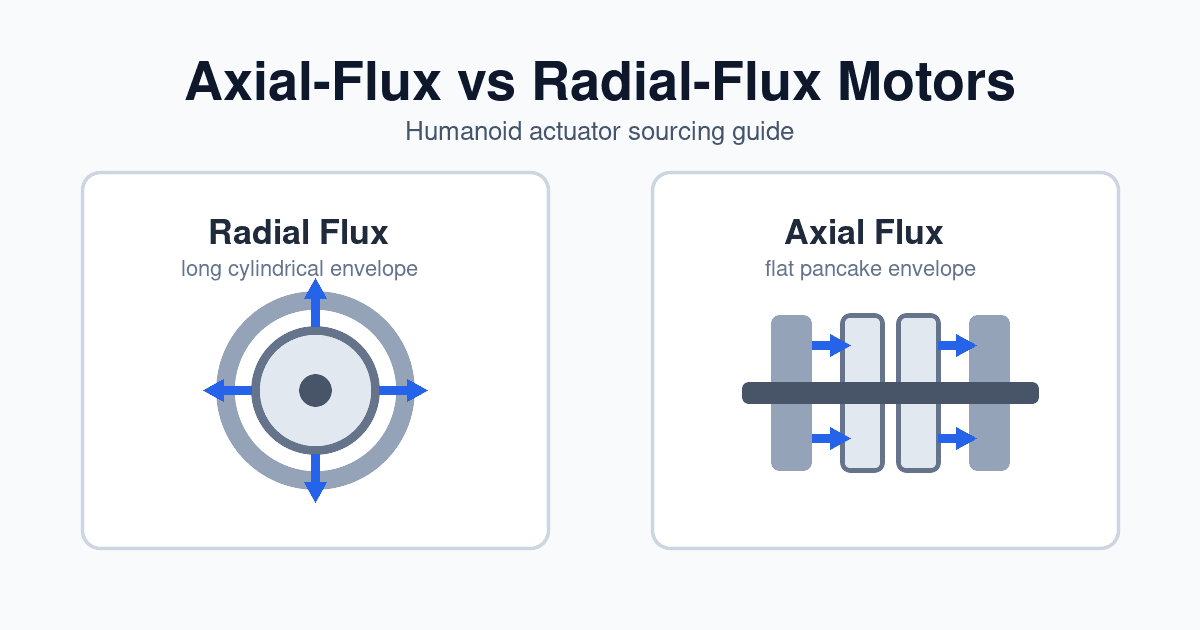
Engineering NotesProcurement Guides
Axial-Flux vs. Radial-Flux Motors for Humanoid Actuators: A 2026 Sourcing Guide
Compare axial-flux vs radial-flux motors for humanoid actuators in 2026: torque density, thermal limits, tooling cost, joint fit, and RFQ sourcing checks.

Engineering NotesProduct Engineering
Humanoid Actuator Thermal Management: Sourcing for Continuous Torque
A 2026 procurement guide to thermal derating in humanoid robot actuators. Learn how to evaluate cooling architectures and source for continuous, rather than just peak, torque.
Product Engineering
Sourcing Humanoid Robot Actuators in 2026: Overcoming Pre-Modular Bottlenecks
A 2026 procurement guide for humanoid robot actuators: qualify modules, manage pre-modular supply risk, and compare custom vs. integrated sourcing paths.
FAQ
Humanoid Actuator RFQ Support
Send Your Humanoid Actuator RFQ
Share your joint map, torque-speed targets, voltage, protocol, quantity, and sample timeline to receive practical model direction.
Inquiry Email
Subject: Product Selection Inquiry - Humanoid Robot Actuators
This inquiry starts from the catalog. Use the RFQ center to turn a broad shortlist into a candidate RFQ class, document request, and sample validation gate.
Instant Chat
+8618857971991
Best for quick model-fit questions before a full RFQ email.
Buyer Quick Start: From RFQ to Mass Production
If your team is evaluating humanoid robot actuator suppliers, start with a workflow that combines joint mapping, torque-speed duty, control-stack assumptions, validation criteria, and delivery planning in one track. This avoids the common failure mode where a sample looks powerful enough on paper but cannot survive repeated gait or manipulation tests.
- Shortlist actuator architecture by real torque-speed duty, thermal path, and joint envelope, not peak torque alone.
- Define sample acceptance thresholds before quoting commercial terms.
- Align CTQ records, packaging, and shipment milestones before PO release.
Recommended Navigation for New Buyers
- Decision Stage
- Architecture fit
- Best Page
- Products
- What You Gain
- Compare product families, integration options, and RFQ input requirements.
- Decision Stage
- Application risk
- Best Page
- Solutions / Applications
- What You Gain
- Review scenario-based risk controls and measurable validation checkpoints.
- Decision Stage
- Reference research
- Best Page
- Engineering Blog
- What You Gain
- Review buyer-side checklists, sourcing methods, and design notes before freezing specs.
- Decision Stage
- Commercial baseline
- Best Page
- About
- What You Gain
- Understand team profile, process capability, and cooperation model before shortlisting a supplier.
- Decision Stage
- Supplier execution
- Best Page
- OEM Capabilities
- What You Gain
- Understand DFM, prototype control, quality records, and export delivery governance.
- Decision Stage
- Execution start
- Best Page
- Contact / RFQ
- What You Gain
- Use the inquiry checklist to reduce quote loops and get a faster actionable response.
| Decision Stage | Best Page | What You Gain |
|---|---|---|
| Architecture fit | Products | Compare product families, integration options, and RFQ input requirements. |
| Application risk | Solutions / Applications | Review scenario-based risk controls and measurable validation checkpoints. |
| Reference research | Engineering Blog | Review buyer-side checklists, sourcing methods, and design notes before freezing specs. |
| Commercial baseline | About | Understand team profile, process capability, and cooperation model before shortlisting a supplier. |
| Supplier execution | OEM Capabilities | Understand DFM, prototype control, quality records, and export delivery governance. |
| Execution start | Contact / RFQ | Use the inquiry checklist to reduce quote loops and get a faster actionable response. |
For deeper decision support, review our engineering blog where each post includes practical buyer-side checklists.