
Control bandwidth
- Typical Range
- System dependent
- Buyer Relevance
- Force-control quality depends on the actuator, driver, encoder, and robot controller together.
Selection support for humanoid actuators where torque sensing, compliance, backdrivability, low ratio design, and controller bandwidth drive the buying decision.
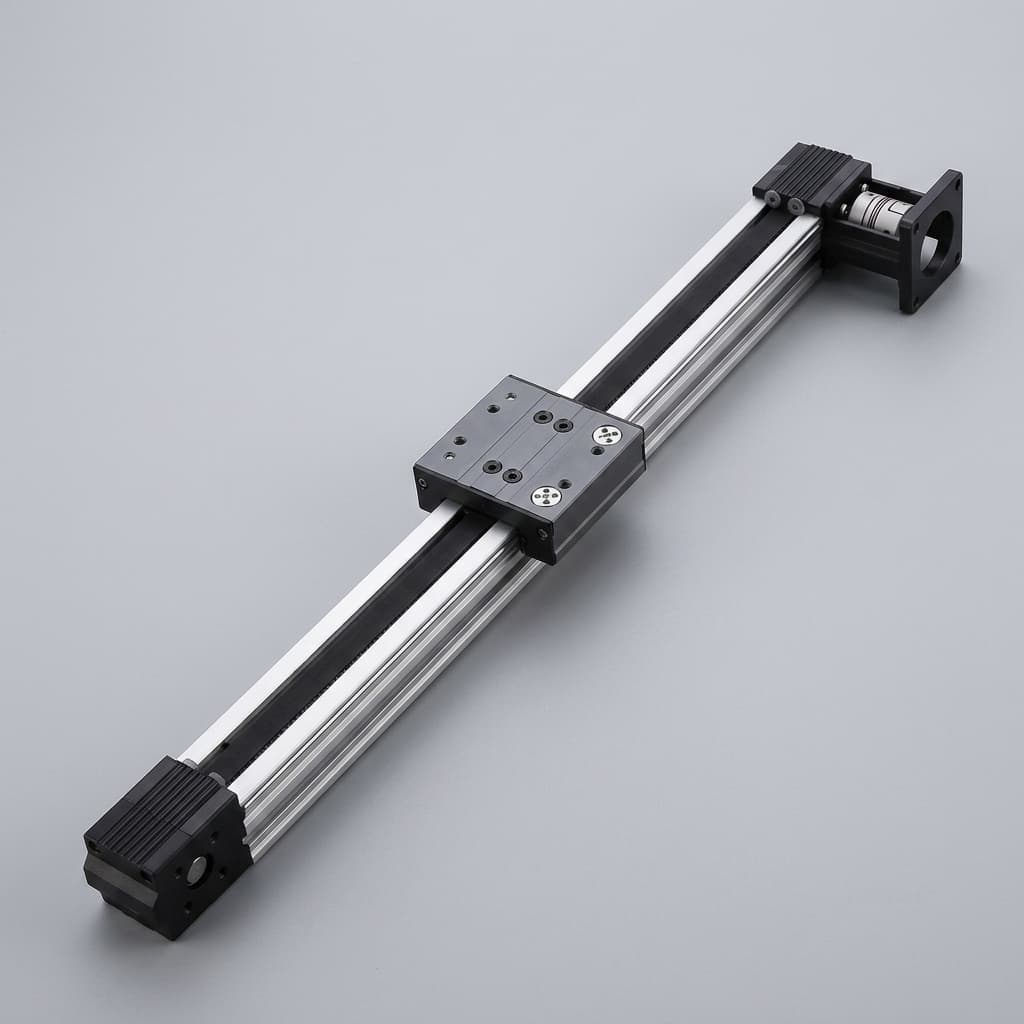
Reference visual for selection context. Confirm controlled drawings, CAD path, and test records for shortlisted models.
Engineering Asset Status
Current site images are reference selection visuals for catalog navigation. They should not be treated as final factory photos, CAD drawings, test records, or lot-specific inspection documents. For shortlisted models, request the controlled packet tied to model code, drawing revision, test condition, and sample lot.
Reference visuals, product-family routes, RFQ class matrices, and validation checklists for early selection.
Controlled datasheet, drawing or CAD path, torque-speed or thermal record, wiring notes, and sample or OQC evidence.
Verified factory-floor photos, teardown images, and lot-specific test reports are not presented as public evidence until real project assets exist.
| Evaluation Metric | Typical Range | Buyer Relevance |
|---|---|---|
| Control bandwidth | System dependent | Force-control quality depends on the actuator, driver, encoder, and robot controller together. |
This map turns the solution context into concrete document requests. Use it to decide which records, interface details, and sample checks should be available before moving from shortlist to PO, sample testing, or pilot planning.
| Validation Focus | Buyer Risk | Documents to Request | Test Record | Interface Input | Go / No-Go Signal |
|---|---|---|---|---|---|
| Backdrivability and reflected inertia | A high-ratio or high-friction actuator undermines force-control experiments despite meeting torque targets. | Reduction ratio, motor constant assumption, rotor inertia note, friction/backdrive guidance, and QDD option boundary. | Low-speed smoothness note, backdrive feel check, or torque-ripple observation from the candidate sample. | Control objective, desired compliance, torque range, speed range, and benchmark actuator if available. | The architecture can support the intended interaction behavior before detailed mechanical customization. |
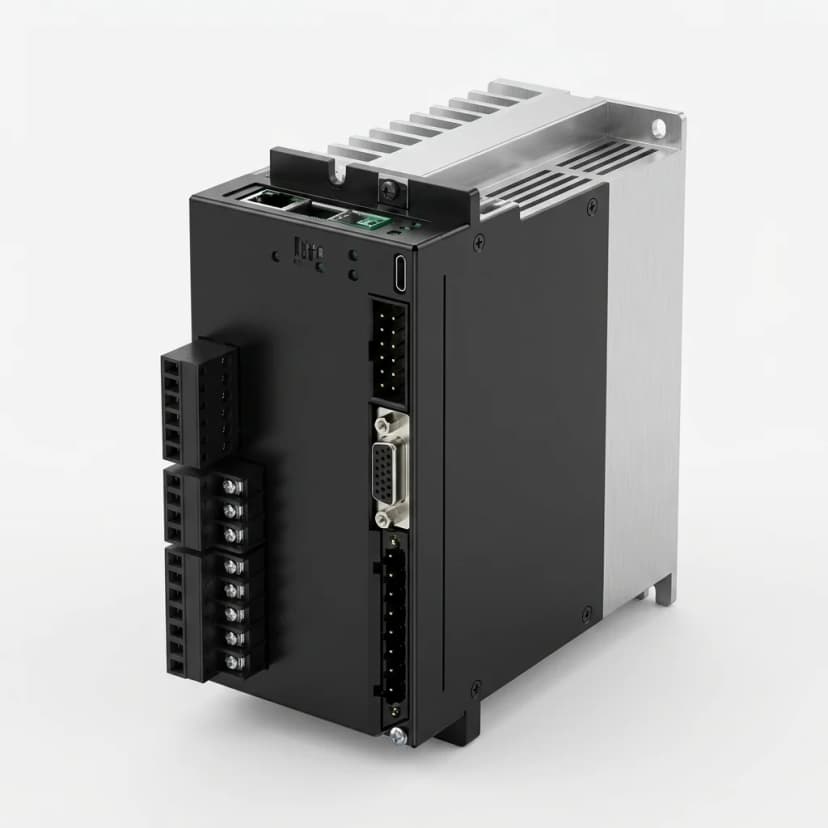
| Feedback and current-loop behavior | The mechanical actuator is selected without enough driver, encoder, or protocol evidence for control tests. | Encoder option, torque or current feedback note, driver current-loop assumption, protocol latency boundary, and firmware revision. | Encoder readout check, current-limit behavior, and bench communication note for the matched driver. | Controller type, bus voltage, communication protocol, loop frequency target, and required feedback signals. | The buyer can run the force-control experiment with a known driver and feedback boundary. |
| Thermal derating during dynamic torque control | Repeated torque-control experiments drive heat beyond the safe operating envelope. | Continuous and peak current assumption, thermal path note, derating guidance, and protection setting boundary. | Temperature-rise note under comparable current demand or a supplier-defined thermal acceptance test. | Duty cycle, current profile, mounting heat path, ambient temperature, and expected test duration. | The force-control validation plan includes current and temperature limits that can be enforced on the bench. |
These standard classes give buyer teams a practical starting point for samples, fixture planning, and engineering quotation scope before custom interfaces are frozen.
Compact QDD joint class
Wrist, neck, light ankle, compact lab axis
<50 Nm class
2-4 Nm continuous
8-14 Nm peak
180-320 rpm output class
CAN / CAN FD / PWM options
Absolute magnetic encoder
Optional holding brake
Fast sample shortlist
Backdrivability, low-speed smoothness, current limit, and cable exit.
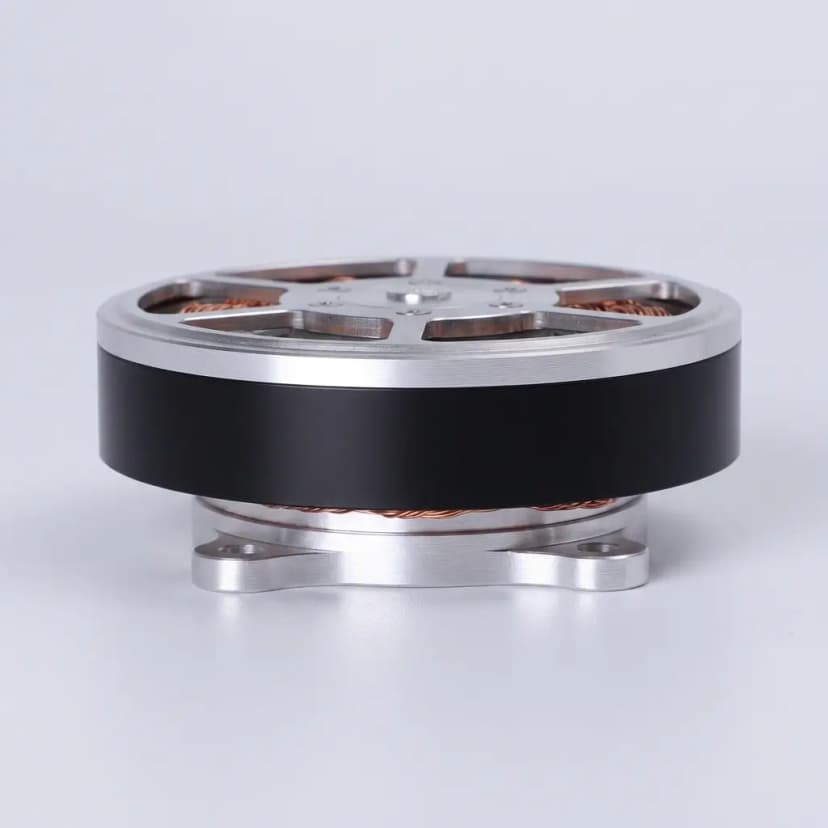
76 mm frameless outrunner class
QDD wrist, ankle-light, shoulder-light, custom reducer input
<50 Nm class
2.5-8 Nm continuous
10-28 Nm peak
KV and winding dependent
Matched by driver
Encoder selected by housing design
External brake if required
Motor-core shortlist after OD/ID review
Thermal path, winding, rotor inertia, magnet retention, and encoder space.
Compact roller-screw actuator class
High-force linkage, test fixture, compact humanoid axis
50-150 Nm class
0.8-2.5 kN force
3-5 kN short duration
20-100 mm stroke class
CAN / RS485 / driver dependent
Encoder or linear feedback option
Holding force and backdrive review
Load case and fixture review required
Force at speed, axial stiffness, side load, lubrication, and life-cycle duty.
Axial-flux SMC prototype class
Hip-light, knee R&D, compact high-torque demonstrator
50-150 Nm class
Project-specific torque target
Project-specific overload target
Magnetic design dependent
Matched by inverter and test plan
Resolver or absolute encoder review
External brake if required
Concept review before tooling commitment
SMC grade, loss model, cooling path, torque density, and manufacturable core geometry.
| RFQ Class | Product Family | Output Window | Integration Focus | Validation Gate |
|---|---|---|---|---|
HRA-C40-QDD Compact QDD joint class | Humanoid Robot Actuator Catalog Wrist, neck, light ankle, compact lab axis | <50 Nm class 2-4 Nm continuous 8-14 Nm peak 180-320 rpm output class | CAN / CAN FD / PWM options Absolute magnetic encoder Optional holding brake | Fast sample shortlist Backdrivability, low-speed smoothness, current limit, and cable exit. |
HRA-FTM76-O 76 mm frameless outrunner class | Humanoid Robot Actuator Catalog QDD wrist, ankle-light, shoulder-light, custom reducer input | <50 Nm class 2.5-8 Nm continuous 10-28 Nm peak KV and winding dependent | Matched by driver Encoder selected by housing design External brake if required | Motor-core shortlist after OD/ID review Thermal path, winding, rotor inertia, magnet retention, and encoder space. |
HRA-LA32-ROLLER Compact roller-screw actuator class | Humanoid Robot Actuator Catalog High-force linkage, test fixture, compact humanoid axis | 50-150 Nm class 0.8-2.5 kN force 3-5 kN short duration 20-100 mm stroke class | CAN / RS485 / driver dependent Encoder or linear feedback option Holding force and backdrive review | Load case and fixture review required Force at speed, axial stiffness, side load, lubrication, and life-cycle duty. |
HRA-AF80-SMC Axial-flux SMC prototype class | Humanoid Robot Actuator Catalog Hip-light, knee R&D, compact high-torque demonstrator | 50-150 Nm class Project-specific torque target Project-specific overload target Magnetic design dependent | Matched by inverter and test plan Resolver or absolute encoder review External brake if required | Concept review before tooling commitment SMC grade, loss model, cooling path, torque density, and manufacturable core geometry. |
Not always. QDD is useful for backdrivability and compliance, but the best choice depends on torque, speed, stiffness, controller bandwidth, and safety goals.
Procurement guide
Use the procurement guide when this solution context needs joint mapping, load-case evidence, sample timing, and buyer-side validation gates before supplier review.
A buyer-side guide for pre-modular humanoid actuator sourcing: selection risk, evidence requests, sample readiness, and pilot supply controls.
Next sourcing step
02 Application validation
After the application risk is mapped, move accepted load cases into sample quantity, controlled-document purpose, revision baseline, and pilot handoff planning.
Inquiry Email
Subject: Solution Inquiry - Force-Control Actuator Selection
This inquiry started from an application page. Keep the request anchored to the robot scenario, validation risk, and candidate actuator path. Source context: Force-Control Actuator Selection.
Instant Chat
+8618857971991
Best for quick model-fit questions before a full RFQ email.