
Turn article assumptions into a first actuator family, model class, and evidence request.
- Candidate actuator family
- Torque-speed or force-stroke window
- Datasheet, CAD, wiring, and test-record boundary
Technical design, validation, and selection guidance for robotics engineers evaluating actuator performance and integration risk.
Use this category to review practical procurement and engineering patterns. Each article is written to reduce ambiguity in RFQ, validation, and production release decisions.
Instead of generic theory, these posts focus on what buyers can send, measure, and approve in supplier communication.
In practical sourcing programs, this category is most useful when its article checklists are copied into internal review templates and then reused in supplier calls, sample sign-off notes, and PO release approvals.
Buyer path
Each article should resolve into one practical next step: shortlist a catalog family, validate the application risk, or prepare the OEM sample path.
Turn article assumptions into a first actuator family, model class, and evidence request.
Convert the guide into application-risk notes before asking for samples or controlled files.
Carry accepted article checklists into sample release, pilot supply, and OEM documentation control.
These articles are sorted by publish date and are intended to be used as reusable inputs for your engineering and procurement handoffs.
| Article | Primary Use | Next Step |
|---|---|---|
| Axial-Flux vs. Radial-Flux Motors for Humanoid Actuators: A 2026 Sourcing Guide | Buyer-side decision and supplier communication alignment. | Convert checklist items into your RFQ or sample plan. |
| Humanoid Actuator Thermal Management: Sourcing for Continuous Torque | Buyer-side decision and supplier communication alignment. | Convert checklist items into your RFQ or sample plan. |
Need project-specific guidance? Start from Contact / RFQ and include the article links your team is referencing.
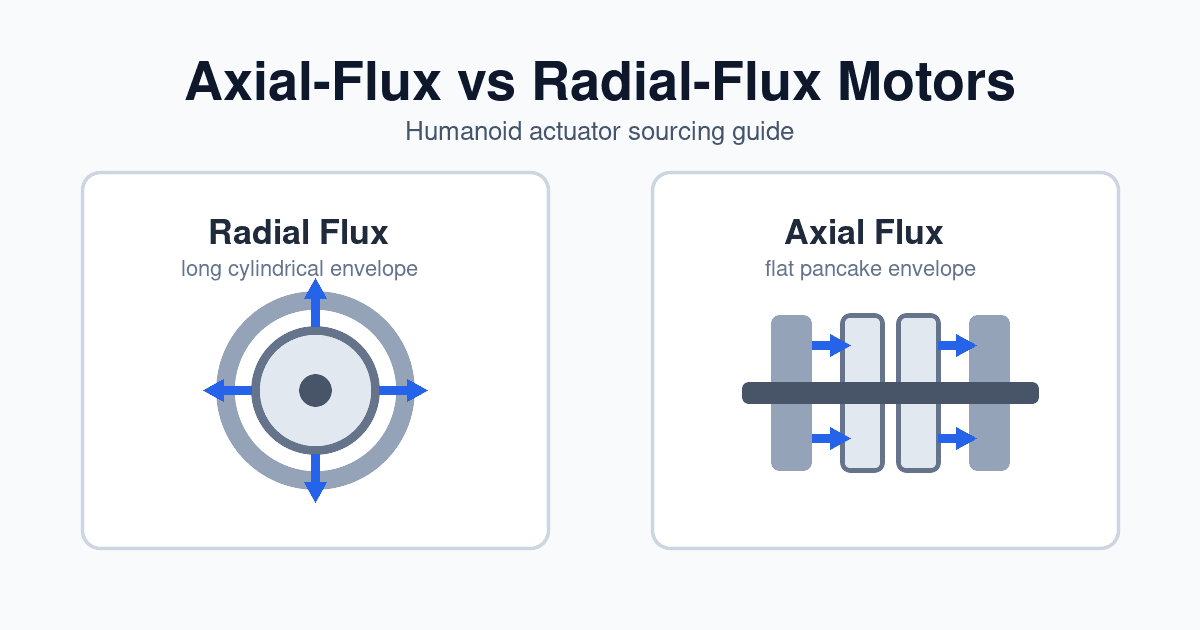
Compare axial-flux vs radial-flux motors for humanoid actuators in 2026: torque density, thermal limits, tooling cost, joint fit, and RFQ sourcing checks.

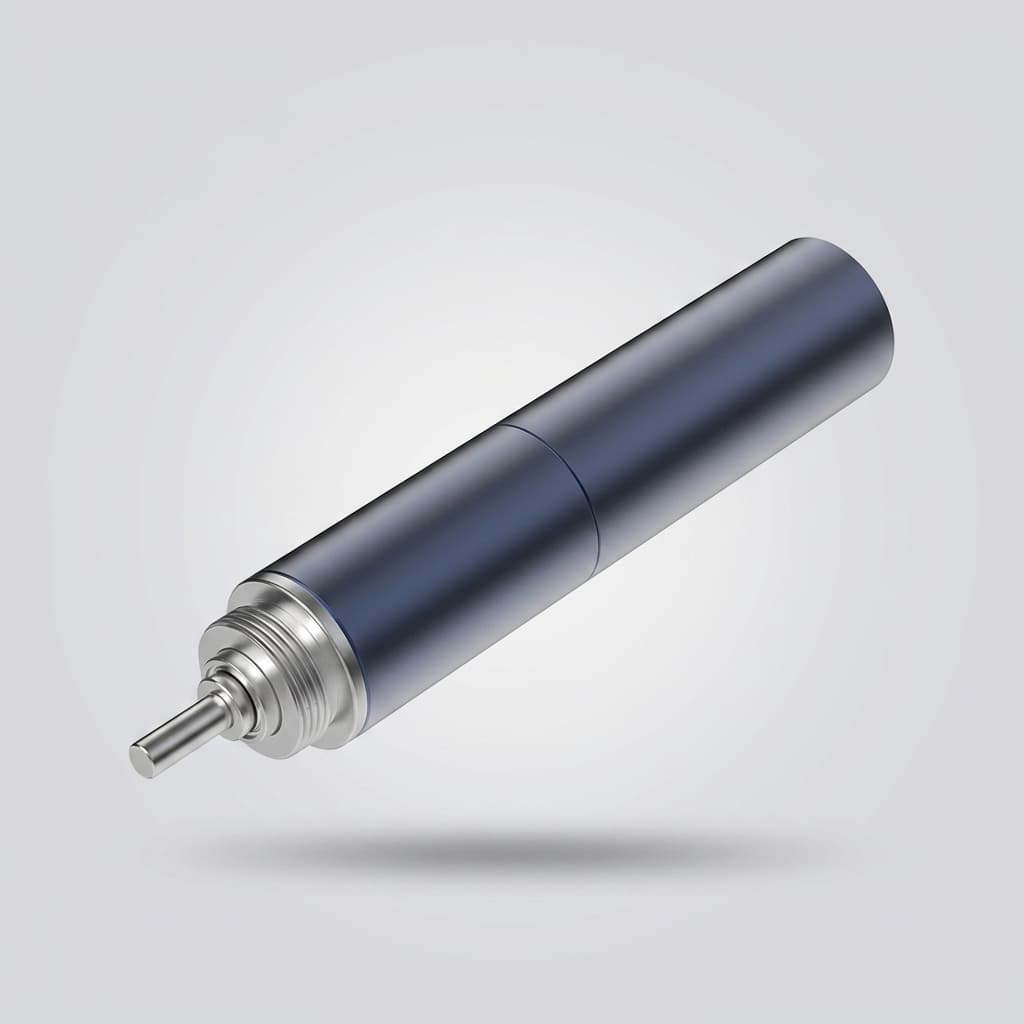
A 2026 procurement guide to thermal derating in humanoid robot actuators. Learn how to evaluate cooling architectures and source for continuous, rather than just peak, torque.